
Best Credit Cards for Building Daily Spending Habits
Choosing the best credit cards for everyday spending means balancing rewards, fees, and benefits that match your lifestyle. Whether you’re filling up your gas tank, ordering groceries, or grabbing coffee, the right card can help you earn cash back or points with every swipe.
What to Look for in the Best Credit Cards for Daily Use
When selecting a card for everyday purchases, consider the rewards structure first. Do you want flat-rate cash back on everything, or higher rewards in specific categories like dining or gas? Also, look at the annual fee and whether the benefits outweigh the cost. A low or no annual fee is ideal for most daily-use cardholders.
Another factor is ease of redemption. Some cards offer automatic cash back deposits, while others require you to log in and request your rewards. Simplicity often wins when managing daily finances. Additionally, a card with strong fraud protection and mobile app access can make tracking spending easier.
- Flat-rate rewards of 2% or more on all purchases
- No annual fee for cost-effective daily use
- High credit limits to manage recurring bills
- Real-time transaction alerts and budgeting tools
- Compatibility with digital wallets like Apple Pay or Google Pay
- Introductory 0% APR offers for new cardholders
For example, a teacher in Austin uses a no-fee cash back card to pay for classroom supplies and earns enough rewards each year to cover a professional development workshop. This kind of consistent, thoughtful spending amplifies the value of the best credit cards over time.
Best Credit Cards That Maximize Grocery and Gas Rewards
For many households, fuel and grocery shopping make up a large portion of monthly expenses. Choosing the best credit cards that offer elevated rewards in these categories can significantly boost your savings. Look for cards that offer at least 3% to 6% back on these purchases, ideally with no rotating categories or activation needed.

Credit Building Program
This card is designed to help users build or rebuild credit through responsible use and on-time payments. Account activity is reported to all three major credit bureaus.
| Benefit | Value | Details |
|---|---|---|
| Security Deposit | $49–$200 | Refundable deposit starting at $49 may qualify you for a $200 credit line. |
| Credit Line Review | 6 months | Automatic consideration for credit line increase after responsible use. |
| Fraud Protection | $0 | Zero liability protection against unauthorized charges. |
| Credit Monitoring | Free CreditWise | Free credit monitoring tools available. |
Pros
- Credit line review opportunity
- Low minimum deposit
- Helps build credit
- Fraud protection
- No annual fee
Cons
- Security deposit required
- No rewards program
- Low starting limit
- High APR
The yearly fee charged to keep the card active.
A recurring monthly charge for this card.
Fee charged when transferring balances from another card.
Additional fee for purchases processed in foreign currencies.
Fee charged when withdrawing cash from your credit line.
Penalty fee if your payment is made after the due date.
Standard APR applied to regular purchases.
APR applied to balance transfers.
APR charged on cash advances, usually higher than regular APR.
Higher APR that can apply after late or missed payments.
Promotional APR available for an introductory period.
How long the introductory APR remains in effect.
Requirements
Additional Information
The Capital One Platinum Secured Credit Card is designed for individuals who are building or rebuilding their credit. With a low minimum deposit and no annual fee, it provides an accessible path to establishing a positive credit history.
Some cards cap bonus rewards each billing cycle, so check if there’s a spending limit. Also, confirm whether warehouse clubs like Costco count toward grocery rewards, as not all cards include them. The top performers combine high ongoing rewards with predictable terms.
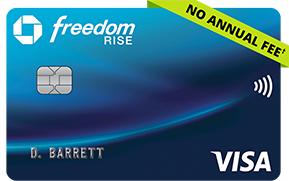
Chase Ultimate Rewards® Cashback
Earn 1.5% cash back on all purchases while building credit. Rewards do not expire as long as the account remains open and there is no minimum redemption requirement.
| Category | Reward Rate | CAP |
|---|---|---|
| Lyft Rides |
2%
Limited time offer
|
Offer terms apply |
| All Purchases |
1.5%
Unlimited rewards
|
No limit |
Pros
- Credit building features
- Beginner friendly card
- Upgrade opportunity
- Cashback rewards
- No annual fee
Cons
- Requires Chase relationship improves approval
- Limited benefits vs premium cards
- Foreign transaction fee
- No bonus categories
The yearly fee charged to keep the card active.
A recurring monthly charge for this card.
Fee charged when transferring balances from another card.
Additional fee for purchases processed in foreign currencies.
Fee charged when withdrawing cash from your credit line.
Penalty fee if your payment is made after the due date.
Standard APR applied to regular purchases.
APR applied to balance transfers.
APR charged on cash advances, usually higher than regular APR.
Higher APR that can apply after late or missed payments.
Promotional APR available for an introductory period.
How long the introductory APR remains in effect.
Requirements
Additional Information
The Chase Freedom Rise® card is designed for people new to credit who want to earn simple cashback while building a credit history. With no annual fee and credit-building tools, it serves as a strong starter card.
How Supermarkets and Fuel Stations Influence Rewards Value
Do Warehouse Purchases Count?
Many consumers shop at stores like Sam’s Club or BJ’s, but not all best credit cards classify these as grocery retailers. Always review the card’s terms to see which merchants qualify. Some issuers use Merchant Category Codes (MCCs) to determine reward eligibility, which can vary even between locations of the same brand.
Gas Station Rewards: Network Matters
Rewards at gas stations may differ depending on whether you use a major brand or an independent dealer. For instance, some cards only offer higher cash back at company-owned locations. If you frequently refuel on road trips, a flat-rate card might offer more consistency.
- Up to 6% cash back at select grocery stores
- 3% back on gas purchases with no annual fee
- Bonus rewards at EV charging stations
- No foreign transaction fees for cross-border travel
- Redemption options for gift cards or statement credits
A nurse in Minneapolis uses a high-reward grocery card to buy household essentials and earns over $300 in cash back annually, simply by routing regular spending through the right account. This real-world return showcases how targeted rewards can lead to tangible savings.
Best Credit Cards for Travel and Dining Enthusiasts
Dining out and traveling are common ways Americans spend, and the best credit cards in this category turn leisure spending into long-term value. Many of these cards offer 3x or more points per dollar at restaurants, hotels, or airlines. While some come with annual fees, the travel credits and airport lounge access often justify the cost.
Consider whether you prefer points or cash back. Travel points can offer higher value when redeemed through airline portals or transfer partners, while cash back is simpler and more flexible. Also, check for dining-specific perks like elite status with hotel chains or complimentary dining credits.
Comparing Points Versus Cash Back for Meals and Getaways
Rewards in the form of points typically offer more value if you’re disciplined about booking travel. For example, a card offering 5x points at restaurants might let you transfer those points to airline partners at 1.5 cents each, effectively giving you 7.5% back. Cash back cards usually max out at 4% to 5% in bonus categories.
However, point systems often come with complexity. You’ll need to monitor transfer ratios, blackout dates, and expiration policies. Cash back is straightforward: you earn a fixed amount, and it’s easy to redeem. Your spending habits and travel frequency should guide your decision.
- 5x rewards on flights and hotels booked directly
- $100 annual travel credit to offset airline fees
- Free Global Entry or TSA PreCheck application fee
- Lounge access through Priority Pass or airline programs
- Statement credits for dining at select restaurants
A software developer in Seattle uses a premium travel card to earn points on weekly dinners and quarterly trips. Over two years, he accumulated enough rewards for a flight to Iceland, demonstrating how consistent spending on the best credit cards can unlock free travel experiences.
Best Credit Cards With Low Interest and No Annual Fees
If your goal is to minimize interest charges while still earning rewards, a low-interest card with no annual fee might be your best fit. These cards are ideal for those who carry a balance occasionally or want to consolidate higher-interest debt. While rewards are typically lower than on premium cards, the savings on interest can outweigh that difference.
Look for cards offering a 0% intro APR for 12 to 18 months on purchases and balance transfers. Even after the promotional period, a lower ongoing APR can help if you don’t pay in full every month. Pair this with a no-fee structure, and you have a practical tool for everyday spending without extra costs.
How to Balance Rewards and Interest Rates
Earning cash back is great, but it won’t help much if you’re paying 20%+ in interest. For those who don’t pay their balance in full each month, a no-fee card with a 0% introductory offer can be smarter than a high-reward card with a high APR. This approach prioritizes cost control over point accumulation.
Finsery offers tools to compare APRs and rewards structures side-by-side, helping users find cards that match both their spending and repayment habits. When used responsibly, even a simple no-fee card can become a powerful financial ally.
- 0% introductory APR for up to 18 months
- No annual fee for ongoing affordability
- 1.5% cash back on all purchases
- Balance transfer options with low processing fees
- Mobile app alerts for upcoming due dates
A freelance writer in Denver transferred $3,000 from a high-interest card to a no-fee card with a 15-month 0% APR offer. By avoiding hundreds in interest, she freed up budget for home upgrades—proof that the best credit cards aren’t always the ones with flashy rewards.