At Finsery, we provide independent, research-driven financial content. To keep our articles, tools, and resources free for readers, we may receive compensation from companies featured on our site through affiliate links, referral partnerships, or paid placements. This compensation may influence how and where products appear on our site (such as the order or placement of products within categories), but it does not affect our editorial opinions, recommendations, or reviews, which remain based on objective analysis.
While we strive to ensure the accuracy and timeliness of all information, Finsery makes no representations or warranties regarding the completeness, applicability, or future availability of any product, service, or offer. Product terms, conditions, and policies are provided by the respective companies and may change without notice.
We do not include every company or financial product available in the marketplace. Some offers may be subject to eligibility requirements, approval processes, or geographic restrictions. Your personal circumstances may impact whether a product is right for you.
Any compensation received by Finsery does not constitute an endorsement of any company or product. All content is provided for informational purposes only and should not be considered personalised financial, investment, tax, or legal advice. Please consult a certified professional for advice specific to your situation.
Founding of YouTube A Short History
Updated:
2 min read
Finsery Editorial Team
Finsery Editorial Team
Finance Writers & Reviewers
Editorial Process
Written & Edited by Finsery Team
Reviewed for Accuracy
The Finsery Editorial Team ensures every article meets the highest standards of accuracy and transparency in financial reporting.
Editorial Note:
The information provided on
Finsery
is for general informational purposes only and is not intended as financial or professional advice.
Our team conducts independent research to share insights we believe are accurate and helpful at the time of publication.
Some of the products or services featured on this page are from our
advertising partners,
who may compensate us if you click through links on our site.
However, affiliate relationships do not influence our editorial opinions, our reviews and recommendations remain based on our own independent research and analysis.
Editorial Note:
Finsery provides general informational content only, not financial advice.
We may earn a commission from our advertising partners when you click links, but our editorial opinions remain independent.
YouTube is one of the most influential platforms in modern media, but its origin story is surprisingly simple: a small team wanted an easier way to share video online. In the early 2000s, uploading and sending video files was slow, formats were inconsistent, and most websites weren’t built for smooth playback. YouTube’s founders focused on removing those barriers—making video sharing as easy as sending a link.
Who Founded YouTube?
YouTube was founded by three former PayPal employees: Chad Hurley, Steve Chen, and Jawed Karim. They combined product thinking, engineering skills, and a clear user goal: create a website where anyone could upload a video and watch it instantly in a browser.
Chad Hurley — product/design focus and early CEO role
Steve Chen — engineering and infrastructure
Jawed Karim — engineering and early concept support
The Problem YouTube Solved
At the time, sharing video often meant emailing huge files or dealing with complicated players and downloads. YouTube made video:
Uploadable by non-experts (simple interface)
Streamable in the browser (no special setup)
Sharable through links and embedding on other sites
Early Growth and the First Video
YouTube launched publicly in 2005. One of the most famous early moments was the first uploaded video, “Me at the zoo,” featuring co-founder Jawed Karim. The clip was short and casual—exactly the kind of everyday content that proved the platform’s big idea: ordinary people could publish video without needing a studio.
Key Milestones Timeline
Year/Date
Milestone
Why It Mattered
2005
YouTube is founded and launches
Introduced easy browser-based video sharing
2005
“Me at the zoo” is uploaded
Became a symbol of user-generated video culture
2006
Google acquires YouTube
Provided resources to scale hosting and global reach
Why Google Bought YouTube
By 2006, YouTube’s traffic was exploding. Video hosting is expensive—bandwidth and storage costs rise fast when millions of people watch content daily. Google’s acquisition gave YouTube the infrastructure and advertising ecosystem to grow into a sustainable business.
What YouTube’s Founding Changed
YouTube didn’t just create a popular website; it reshaped how people learn, entertain themselves, and build careers online. Its founding helped accelerate:
Creator-driven media and influencer culture
How-to education and free tutorials at massive scale
Music discovery, commentary, and global community trends
From a small startup idea to a global video powerhouse, YouTube’s founding is a classic example of a simple product solving a real problem—and changing the internet in the process.
The content on
Finsery
is created for informational and educational purposes only and should not be taken as financial advice.
While we do our best to ensure accuracy and relevance at the time of publication,
details may change over time or vary by individual circumstance.
Finsery
may earn a small commission when you click on certain links,
but our editorial opinions remain independent.
See our full disclaimer.
Best Credit Cards to Build Credit for Beginners in October 2026
Updated:
7 min read
Finsery Editorial Team
Finsery Editorial Team
Finance Writers & Reviewers
Editorial Process
Written & Edited by Finsery Team
Reviewed for Accuracy
The Finsery Editorial Team ensures every article meets the highest standards of accuracy and transparency in financial reporting.
Editorial Note:
The information provided on
Finsery
is for general informational purposes only and is not intended as financial or professional advice.
Our team conducts independent research to share insights we believe are accurate and helpful at the time of publication.
Some of the products or services featured on this page are from our
advertising partners,
who may compensate us if you click through links on our site.
However, affiliate relationships do not influence our editorial opinions, our reviews and recommendations remain based on our own independent research and analysis.
Editorial Note:
Finsery provides general informational content only, not financial advice.
We may earn a commission from our advertising partners when you click links, but our editorial opinions remain independent.
Best Credit Cards for Beginners to Build Credit
If you’re starting your credit journey, the right first credit card can help you build a strong credit score, qualify for better financial products, and avoid costly mistakes. The best beginner credit cards in 2026 prioritize approval accessibility, low fees, and credit-building features over rewards. After reviewing beginner-friendly cards based on approval difficulty, fees, credit reporting policies, and upgrade options, we found these to be the best credit cards for building credit.
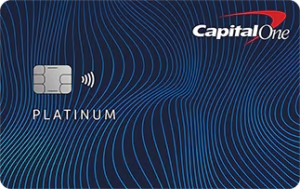
1. Capital One Platinum Secured Credit Card
The Capital One Platinum Secured Credit Card is a highly accessible option for those new to building credit. Its refundable security deposit makes approval easier than with traditional unsecured cards, making it an effective choice for individuals with no credit history.
This card is designed to help users build or rebuild credit through responsible use and on-time payments. Account activity is reported to all three major credit bureaus.
Welcome bonus
None
No signup bonus offered
Required Spending
None
No minimum spending required
Benefit
Value
Details
Security Deposit
$49–$200
Refundable deposit starting at $49 may qualify you for a $200 credit line.
Credit Line Review
6 months
Automatic consideration for credit line increase after responsible use.
Fraud Protection
$0
Zero liability protection against unauthorized charges.
Credit Monitoring
Free CreditWise
Free credit monitoring tools available.
Pros
Credit line review opportunity
Low minimum deposit
Helps build credit
Fraud protection
No annual fee
Cons
Security deposit required
No rewards program
Low starting limit
High APR
Annual Fee
The yearly fee charged to keep the card active.
$0
No annual fee cardv
Monthly Fee
A recurring monthly charge for this card.
$0
No monthly maintenance fee
Balance Transfer Fee
Fee charged when transferring balances from another card.
Fee applies
Standard transfer fees apply
Foreign Transaction Fee
Additional fee for purchases processed in foreign currencies.
$0
No foreign transaction fees
Cash Advance Fee
Fee charged when withdrawing cash from your credit line.
$5 or 5%
Standard cash advance fee
Late Payment Fee
Penalty fee if your payment is made after the due date.
Up to $40
Late payment penalty applies
Regular APR
Standard APR applied to regular purchases.
28.99%
High Variable APR typical secured cards
Balance Transfer APR
APR applied to balance transfers.
28.99%
Same APR applies
Cash Advance APR
APR charged on cash advances, usually higher than regular APR.
≈ 29.99%
Higher APR for advances
Penalty APR
Higher APR that can apply after late or missed payments.
None
Penalty APR not specified
Intro APR
Promotional APR available for an introductory period.
None
No intro APR period
Intro APR Duration
How long the introductory APR remains in effect.
None
No intro APR period
Requirements
Credit Score Needed
Poor (below 650)
Card Network
Mastercard
Global Mastercard network
Card Type
Secured
Credit builder secured card
Minimum Credit Line
$200+
Based on security deposit
Additional Information
The Capital One Platinum Secured Credit Card is designed for individuals who are building or rebuilding their credit. With a low minimum deposit and no annual fee, it provides an accessible path to establishing a positive credit history.
Disclaimer:
Card details, rates, fees, and offers may change at any time. We aim to keep this information current but cannot guarantee it will stay accurate, and we are not responsible for issuer updates or errors. Always verify terms on the issuer's website and do your own research before applying.
Why we picked it: Secured credit cards are a good option for beginners because the deposit serves as collateral, reducing the issuer’s risk. Responsible use helps you build payment history, and you may qualify for a refund and account upgrade over time.
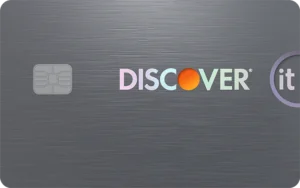
2. Discover it® Student Cash Back
The Discover it Student Cash Back card is a top choice for students, offering both credit-building features and cash back rewards. Unlike many entry-level cards, it enables users to earn rewards while building their credit history.
Earn cashback rewards while building credit. Discover matches all cashback earned during the first year and rewards never expire while the account is active.
Welcome bonus
Cashback Match
Discover automatically matches all cashback earned during the first year.
Required Spending
None
No minimum spending required
Category
Reward Rate
CAP
Gas Stations
2%Up to $1,000
Quarterly cap applies
Restaurants
2%Up to $1,000
Quarterly cap applies
All Other Purchases
1%Default rewards
Unlimited
Refundable deposit starting at $200 sets your credit limit.
Discover doubles rewards earned in first year.
Pros
Cashback rewards uncommon for secured cards
First-year rewards match
Refundable deposit
Helps build credit
No annual fee
Cons
Limited acceptance vs Visa
Requires responsible use
Security deposit required
High APR
Annual Fee
The yearly fee charged to keep the card active.
$0
No annual fee card
Monthly Fee
A recurring monthly charge for this card.
$0
No monthly maintenance fee
Balance Transfer Fee
Fee charged when transferring balances from another card.
3% intro then 5%
Intro then standard fee
Foreign Transaction Fee
Additional fee for purchases processed in foreign currencies.
$0
No foreign transaction fees
Cash Advance Fee
Fee charged when withdrawing cash from your credit line.
$10 or 5%
Standard cash advance fee
Late Payment Fee
Penalty fee if your payment is made after the due date.
Up to $41
Late payment penalty applies
Regular APR
Standard APR applied to regular purchases.
≈ 26.49%
Variable APR based on credit
Balance Transfer APR
APR applied to balance transfers.
Intro APR available
Intro APR then variable
Cash Advance APR
APR charged on cash advances, usually higher than regular APR.
≈ 29.99%
Higher APR for advances
Penalty APR
Higher APR that can apply after late or missed payments.
None
No penalty APR listed
Intro APR
Promotional APR available for an introductory period.
0%
Intro APR available
Intro APR Duration
How long the introductory APR remains in effect.
6–12 months
Limited intro APR period
Requirements
Credit Score Needed
Poor (below 650)
Card Network
Discover
Discover payment network
Card Type
Secured
Credit builder secured card
Minimum Credit Line
$200+
Equals security deposit
Additional Information
The Discover it® Secured Credit Card is one of the few secured cards offering rewards and no annual fee. With cashback earnings and credit bureau reporting, it is widely considered one of the best cards for beginners building credit.
Disclaimer:
Card details, rates, fees, and offers may change at any time. We aim to keep this information current but cannot guarantee it will stay accurate, and we are not responsible for issuer updates or errors. Always verify terms on the issuer's website and do your own research before applying.
Why we picked it: We chose this card because it allows students to build credit while earning cashback rewards, including Discover’s first-year Cashback Match, which can significantly increase the value of rewards for beginners.
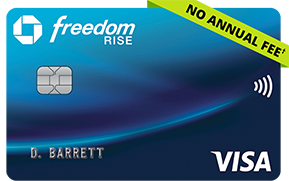
3. Chase Freedom Rise®
The Chase Freedom Rise is intended for individuals new to credit who seek an unsecured card without a security deposit. It also offers cashback rewards, adding value for those starting to build credit.
Earn 1.5% cash back on all purchases while building credit. Rewards do not expire as long as the account remains open and there is no minimum redemption requirement.
Welcome bonus
$25
Earn $25 when enrolling in autopay within 3 months.
Required Spending
None
No minimum spending required
Category
Reward Rate
CAP
Lyft Rides
2%Limited time offer
Offer terms apply
All Purchases
1.5%Unlimited rewards
No limit
Free credit score monitoring and alerts available.
Automatic review for upgrade to Chase Freedom Unlimited after good history.
Pros
Credit building features
Beginner friendly card
Upgrade opportunity
Cashback rewards
No annual fee
Cons
Requires Chase relationship improves approval
Limited benefits vs premium cards
Foreign transaction fee
No bonus categories
Annual Fee
The yearly fee charged to keep the card active.
$0
No annual fee card
Monthly Fee
A recurring monthly charge for this card.
$0
No monthly maintenance fee
Balance Transfer Fee
Fee charged when transferring balances from another card.
$5 or 5%
Standard balance transfer fee
Foreign Transaction Fee
Additional fee for purchases processed in foreign currencies.
3%
Foreign purchase fee applies
Cash Advance Fee
Fee charged when withdrawing cash from your credit line.
$10 or 5%
Standard cash advance fee
Late Payment Fee
Penalty fee if your payment is made after the due date.
Up to $40
Late payment penalty applies
Regular APR
Standard APR applied to regular purchases.
25.24%
Variable APR based on credit
Balance Transfer APR
APR applied to balance transfers.
25.24%
Same APR applies
Cash Advance APR
APR charged on cash advances, usually higher than regular APR.
≈ 29.99%
Higher APR for advances
Penalty APR
Higher APR that can apply after late or missed payments.
None
Penalty APR not specified
Intro APR
Promotional APR available for an introductory period.
None
No intro APR offer
Intro APR Duration
How long the introductory APR remains in effect.
None
No intro APR period
Requirements
Credit Score Needed
Poor (below 650)
Card Network
Visa
Global Visa payment network
Card Type
Personal
Starter unsecured credit card
Minimum Credit Line
$500+
Depends on approval profile
Additional Information
The Chase Freedom Rise® card is designed for people new to credit who want to earn simple cashback while building a credit history. With no annual fee and credit-building tools, it serves as a strong starter card.
Disclaimer:
Card details, rates, fees, and offers may change at any time. We aim to keep this information current but cannot guarantee it will stay accurate, and we are not responsible for issuer updates or errors. Always verify terms on the issuer's website and do your own research before applying.
Why we picked it: We selected this card because it is an unsecured starter card with no annual fee, making it a strong option for beginners who want to build credit without paying a security deposit, especially those with an existing Chase banking relationship.
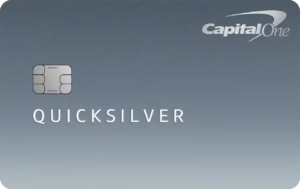
4. Capital One Quicksilver Student Cash Rewards
The Capital One Quicksilver Student card is a strong option for new-to-credit-card users who prefer a straightforward rewards structure. It provides a flat cashback rate on all purchases, eliminating the need to track rotating categories.
🏆Best student card: Simple cashback
Capital One Quicksilver Student Cash Rewards Credit Card
Earn unlimited 1.5% cash back on every purchase with no rotating categories or spending limits. Rewards do not expire as long as the account remains open.
Welcome bonus
$50
Earn $50 after spending $100 within the first 3 months.
Required Spending
$100
Spend requirement to earn bonus
Category
Reward Rate
CAP
Capital One Travel
5%Travel bookings portal
No limit
All Purchases
1.5%Unlimited rewards
No limit
Zero liability protection for unauthorized transactions.
Free credit monitoring tools available.
Pros
No foreign transaction fees
Simple cashback rewards
Signup bonus available
Helps build credit
No annual fee
Cons
Limited premium benefits
No bonus categories
No intro APR
High APR
Annual Fee
The yearly fee charged to keep the card active.
$0
No annual fee card
Monthly Fee
A recurring monthly charge for this card.
$0
No monthly maintenance fee
Balance Transfer Fee
Fee charged when transferring balances from another card.
Fee applies
Standard transfer fee applies
Foreign Transaction Fee
Additional fee for purchases processed in foreign currencies.
$0
No foreign transaction fees
Cash Advance Fee
Fee charged when withdrawing cash from your credit line.
$5 or 5%
Standard cash advance fee
Late Payment Fee
Penalty fee if your payment is made after the due date.
Up to $40
Late payment penalty applies
Regular APR
Standard APR applied to regular purchases.
18.49% – 28.49%
Variable APR based on credit
Balance Transfer APR
APR applied to balance transfers.
18.49% – 28.49%
Variable APR applies
Cash Advance APR
APR charged on cash advances, usually higher than regular APR.
≈ 29.99%
Higher APR for advances
Penalty APR
Higher APR that can apply after late or missed payments.
None
Penalty APR not specified
Intro APR
Promotional APR available for an introductory period.
None
No intro APR offer
Intro APR Duration
How long the introductory APR remains in effect.
None
No intro APR period
Requirements
Credit Score Needed
Poor (below 650)
Card Network
Mastercard
Global Mastercard network
Card Type
Student
Student cashback credit card
Minimum Credit Line
$300+
Depends on approval profile
Additional Information
The Capital One Quicksilver Student card is a good choice for students looking to build credit while earning simple cashback rewards. With no annual fee and easy rewards structure, it is a practical starter card for college students.
Disclaimer:
Card details, rates, fees, and offers may change at any time. We aim to keep this information current but cannot guarantee it will stay accurate, and we are not responsible for issuer updates or errors. Always verify terms on the issuer's website and do your own research before applying.
Why we picked it: We chose this card for its simple flat-rate cashback rewards, making it ideal for beginners who want an easy-to-understand rewards structure as they build their credit history.
5. OpenSky® Secured Visa® Credit Card
The OpenSky Secured Visa Credit Card is frequently recommended for individuals who may face challenges obtaining approval elsewhere. Because it does not require a traditional credit check, it serves as a practical option for those without an established credit profile.
The OpenSky® Secured Visa® Credit Card helps individuals build or rebuild credit through responsible use. The card reports account activity to all three major credit bureaus and does not require a credit check to apply.
Welcome bonus
None
No signup bonus offered
Required Spending
None
No spending requirement
Benefit
Value
Details
Security Deposit
$200 minimum
Refundable deposit determines your credit limit.
Upgrade Opportunity
-
May qualify for unsecured card after responsible use.
Applications do not require a traditional credit check.
Designed for individuals with limited or poor credit.
Pros
No credit check required
Flexible deposit amount
Reports to all bureaus
Easy approval odds
Helps build credit
Cons
Security deposit required
No rewards program
Annual fee required
High APR
Annual Fee
The yearly fee charged to keep the card active.
$35
Standard secured card fee
Monthly Fee
A recurring monthly charge for this card.
$0
No monthly maintenance fee
Balance Transfer Fee
Fee charged when transferring balances from another card.
Not primary feature
Balance transfers limited
Foreign Transaction Fee
Additional fee for purchases processed in foreign currencies.
3%
Foreign purchase fee applies
Cash Advance Fee
Fee charged when withdrawing cash from your credit line.
$6 or 5%
Standard cash advance fee
Late Payment Fee
Penalty fee if your payment is made after the due date.
Up to $41
Late payment penalty applies
Regular APR
Standard APR applied to regular purchases.
≈ 23.89% – 28.24%
Variable APR typical secured cards
Balance Transfer APR
APR applied to balance transfers.
Not applicable
Balance transfers limited
Cash Advance APR
APR charged on cash advances, usually higher than regular APR.
≈ 29.99%
Higher APR for advances
Penalty APR
Higher APR that can apply after late or missed payments.
None
Penalty APR not specified
Intro APR
Promotional APR available for an introductory period.
None
No intro APR offer
Intro APR Duration
How long the introductory APR remains in effect.
None
No intro APR period
Requirements
Credit Score Needed
Poor (below 650)
Card Network
Visa
Global Visa payment network
Card Type
Secured
Credit builder secured card
Minimum Credit Line
$100+
Based on security deposit
Additional Information
The OpenSky® Secured Visa® Credit Card is designed for people with poor or limited credit who may not qualify for traditional cards. With no credit check and a refundable deposit, it provides an accessible path to building credit history.
Disclaimer:
Card details, rates, fees, and offers may change at any time. We aim to keep this information current but cannot guarantee it will stay accurate, and we are not responsible for issuer updates or errors. Always verify terms on the issuer's website and do your own research before applying.
Why we picked it: We chose this card because it offers easy approval with no credit check, making it a practical option for individuals with no credit history or those looking to build credit from scratch.
How We Chose the Best Beginner Credit Cards
Our editorial team reviewed dozens of starter credit cards from major issuers to identify the best options for beginners. We prioritized cards that are accessible to new credit users and offer strong credit-building potential and long-term value.
We focused on accessibility for beginners rather than on premium rewards, as approval and credit-building are more important when starting out. This method aligns with major financial publishers, who evaluate starter cards based on eligibility, fees, and credit-building features, based on guidance from Consumer Financial Protection Bureau and major credit bureaus.
Primary Factors
We prioritized these factors because they directly affect a beginner’s ability to qualify for a card and build credit.
Approval difficulty: We focused on cards designed for applicants with no credit, limited credit, fair credit, or student profiles.
Annual fees: We preferred cards with no or low annual fees to minimize costs for beginners.
Credit bureau reporting: Only cards that report to all three major credit bureaus (Experian, Equifax, and TransUnion) were considered.
Upgrade opportunities: We rated cards higher if they offer graduation to unsecured cards, credit limit increases, or product upgrades.
Security deposit requirements: For secured cards, we evaluated minimum deposits, flexibility, and refund policies.
Issuer reliability: We preferred established issuers with strong customer support and security standards.
Interest rates (APR): Although beginners should avoid carrying balances, we ranked cards with excessively high APRs lower.
Secondary Factors
These factors were used to differentiate cards once primary requirements were satisfied:
Rewards structure: Cashback or straightforward rewards programs were viewed as additional benefits rather than primary considerations.
Mobile app features: Account management, payment alerts, and spending trackers.
Credit monitoring tools: Free credit score access and educational resources were considered beneficial.
Customer experience: Issuer reputation, service quality, and overall user experience were evaluated.
Fraud protection features: Zero liability coverage and transaction alerts.
Financial education tools: Cards providing educational resources for beginners received additional consideration.
Account management flexibility: Autopay options, due date flexibility, and digital statements.
Foreign transaction fees: Considered for beginners who may travel or make international purchases.
How to Choose the Right First Credit Card
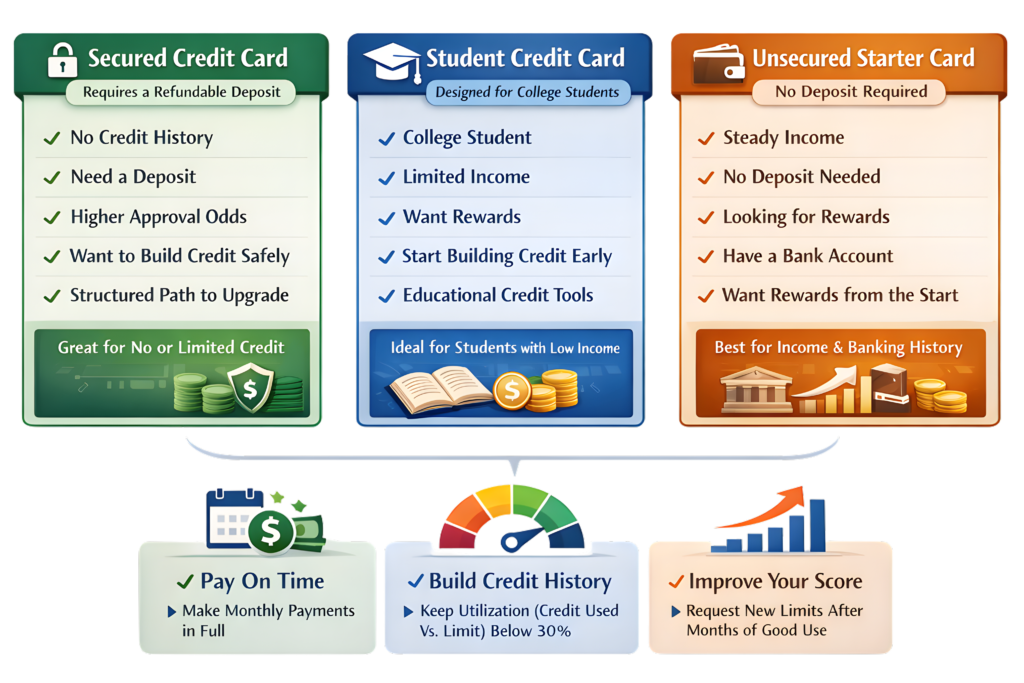
Choosing your first credit card is less about maximizing rewards and more about finding a card you can qualify for and use to build a strong credit foundation. The right beginner credit card should match your financial situation, approval chances, and long-term credit goals. If you’re new to credit, focus on these key decision factors before applying. You can also read our detailed guide on how to choose a credit card to understand key features, fees, and eligibility factors before making a decision.
How Beginners Can Build Credit Faster
When used responsibly, your first credit card can help you establish a credit profile within months and improve your credit score within the first year. Since credit scores depend on payment history, credit usage, and account age, beginners can make steady progress by adopting disciplined habits.
Follow these proven strategies to build credit faster and avoid common beginner mistakes:
Who Should Apply for a Beginner Credit Card?
Beginner credit cards are intended for individuals new to credit or with limited credit history. These cards generally offer easier approval and help users build a solid financial foundation.
First-time credit users: If you have never used credit before, a beginner credit card can help you establish your credit profile. Responsible use, including timely payments and low balances, can generate your first credit score within a few months. This is often the first step toward qualifying for more favorable financial products.
Students: Students often have limited income and no credit history, making beginner or student credit cards a practical starting point. These cards typically feature easier approval and may offer educational resources. Building credit early helps students establish a strong credit history before entering the workforce.
Young professionals: If you have recently started your first job, a beginner credit card can help you build financial credibility. With a steady income, you may also qualify for entry-level unsecured cards. Establishing credit early supports future loan, housing, and premium credit card approvals.
Immigrants building U.S. credit: New immigrants often need to build credit from the beginning, as foreign credit history typically does not transfer to the U.S. system. Beginner credit cards, particularly secured cards, can help establish a new credit profile. This is important for renting housing, financing purchases, or qualifying for better financial products.
Anyone with a thin credit history: Even with existing credit accounts, you may have a “thin credit file” if your history is limited. Beginner cards can strengthen your profile by adding positive payment history. Over time, this can improve your credit score and expand your financial opportunities.
Be the first to receive expert financial insights, guides, and product reviews when our newsletter launches.
Stay ahead with smarter money decisions.
By clicking "Subscribe," you agree to join our early access list and accept our
Privacy Policy
and
Terms of Use
. You may unsubscribe at any time.
The content on
Finsery
is created for informational and educational purposes only and should not be taken as financial advice.
While we do our best to ensure accuracy and relevance at the time of publication,
details may change over time or vary by individual circumstance.
Finsery
may earn a small commission when you click on certain links,
but our editorial opinions remain independent.
See our full disclaimer.
Summer Credit Card Tips: 7 Smart Ways to Save & Earn More
Published:
4 min read
Finsery Editorial Team
Finsery Editorial Team
Finance Writers & Reviewers
Editorial Process
Written & Edited by Finsery Team
Reviewed for Accuracy
The Finsery Editorial Team ensures every article meets the highest standards of accuracy and transparency in financial reporting.
Editorial Note:
The information provided on
Finsery
is for general informational purposes only and is not intended as financial or professional advice.
Our team conducts independent research to share insights we believe are accurate and helpful at the time of publication.
Some of the products or services featured on this page are from our
advertising partners,
who may compensate us if you click through links on our site.
However, affiliate relationships do not influence our editorial opinions, our reviews and recommendations remain based on our own independent research and analysis.
Editorial Note:
Finsery provides general informational content only, not financial advice.
We may earn a commission from our advertising partners when you click links, but our editorial opinions remain independent.
Summer credit card tips can help you save money, earn rewards, and avoid unnecessary fees during one of the most expensive seasons of the year. Travel, dining, and shopping costs rise quickly, but with the right strategy, your credit card can become a powerful financial tool instead of a burden.
Rather than overspending or racking up interest, you can earn rewards, cut costs, and keep your finances on track. Many savvy shoppers use more than one card to get the most out of spending on travel, groceries, and fuel.This guide shares seven practical, expert-approved tips to help you make the most of your credit cards this summer.
1. Use the Right Credit Card for Your Summer Spending
Summer spending often increases in categories such as travel, fuel, dining, and entertainment. Relying on one card for all purchases can limit your rewards. To maximize value, match each expense category with the card that offers the highest return.
Strategy:
Identify your top 3 summer expenses (travel, fuel, dining, groceries)
Assign the best card for each category.
Use a flat 2% cashback card for all other spending.
Review your past spending to optimize card usage.
2. Pay in Full and Control Your APR
Credit cards are most effective when you avoid interest charges. According to the Consumer Financial Protection Bureau (CFPB), paying your full statement balance supports financial health, protects your credit score, and reduces unnecessary costs.
Strategy:
Always pay the full statement balance rather than only the minimum.
Set up auto-pay to ensure payments are made on time.
Maintain credit utilization below 30%.
Avoid using credit for expenses beyond your means.
3. Use 0% APR Offers Smartly
0% APR offers can help manage large expenses by allowing interest-free payments for a set period. To avoid high debt after the promotional period, it is essential to plan your repayment carefully. The Federal Reserve reports that average credit card interest rates are significantly higher than most loans, making 0% APR offers valuable when used responsibly.
Strategy:
Use 0% APR offers only for planned and necessary expenses.
Divide the total amount by the number of promotional months and pay that amount each month.
Set reminders to ensure you pay off the balance before the offer expires.
Avoid making multiple large purchases at once using 0% APR offers.
4. Avoid or Reduce Fees
Fees can reduce your credit card benefits. Many users overlook costs from annual fees, foreign transaction fees, and penalties. Keeping your cards cost-efficient ensures your rewards translate into real savings.
Strategy:
Choose no-annual-fee cards unless the benefits outweigh the cost.
Use no-foreign-transaction-fee cards for travel.
Pay bills on time to avoid late fees.
Review your cards regularly and downgrade or close those with high fees that you do not use.
5. Budget and Track Spending
Summer travel and social events can lead to impulsive spending. Without tracking, expenses are harder to manage. Credit card tools can help you monitor and maintain your budget in real time.
Strategy:
Establish a clear budget for travel, dining, and shopping.
Enable spending alerts in your credit card app.
Monitor your spending weekly rather than monthly.
Adjust your spending immediately if you exceed your set limits.
6. Maximize and Redeem Rewards Wisely
Earning rewards is only the first step; maximizing their value requires thoughtful redemption. Many users miss out on bonuses or redeem points inefficiently. Strategic earning and redemption can help lower your overall expenses.
Strategy:
Regularly activate rotating bonus categories.
Use the card that offers the highest rewards for each purchase.
Combine multiple cards to maximize returns.
Redeem rewards for cashback or high-value travel options.
7. Stay Safe and Plan Backup Options
Increased travel and online transactions during the summer raise the risk of fraud. Losing a card or encountering unauthorized transactions can disrupt your plans. Preparing security measures and backup options helps ensure safe, uninterrupted spending.
Strategy:
Enable instant transaction alerts.
Avoid public Wi-Fi for financial transactions.
Carry a backup card separately.
Use digital wallets for emergency access.
Report lost or suspicious activity immediately.
Best Credit Card Types for Summer Spending
The best card for you depends on your summer spending habits. Some cards work well for travel, while others offer more cashback on daily purchases. This short guide will help you find the right fit for your lifestyle.
The best summer credit card tips include using the right card for each category, paying your balance in full, avoiding fees, and tracking your spending regularly. These steps help maximize rewards while preventing unnecessary costs
Using multiple cards is generally better because you can maximize rewards across different categories like travel, groceries, and fuel. However, it requires proper tracking and discipline.
To avoid interest, always pay your full statement balance before the due date. You can also use 0% APR offers for large purchases, but ensure you repay before the promotional period ends.
Yes, travel credit cards are valuable if you travel frequently. They offer benefits like reward points, travel insurance, and no foreign transaction fees, which can save money on international trips.
Set a clear budget, enable spending alerts, and track your expenses weekly. This helps you stay within limits and avoid financial stress after the season ends.
Your financial journey starts here
Be the first to receive expert financial insights, guides, and product reviews when our newsletter launches.
Stay ahead with smarter money decisions.
By clicking "Subscribe," you agree to join our early access list and accept our
Privacy Policy
and
Terms of Use
. You may unsubscribe at any time.
The content on
Finsery
is created for informational and educational purposes only and should not be taken as financial advice.
While we do our best to ensure accuracy and relevance at the time of publication,
details may change over time or vary by individual circumstance.
Finsery
may earn a small commission when you click on certain links,
but our editorial opinions remain independent.
See our full disclaimer.
Why Your Credit Card Application Gets Rejected and How to Fix it Fast
Published:
5 min read
Finsery Editorial Team
Finsery Editorial Team
Finance Writers & Reviewers
Editorial Process
Written & Edited by Finsery Team
Reviewed for Accuracy
The Finsery Editorial Team ensures every article meets the highest standards of accuracy and transparency in financial reporting.
Editorial Note:
The information provided on
Finsery
is for general informational purposes only and is not intended as financial or professional advice.
Our team conducts independent research to share insights we believe are accurate and helpful at the time of publication.
Some of the products or services featured on this page are from our
advertising partners,
who may compensate us if you click through links on our site.
However, affiliate relationships do not influence our editorial opinions, our reviews and recommendations remain based on our own independent research and analysis.
Editorial Note:
Finsery provides general informational content only, not financial advice.
We may earn a commission from our advertising partners when you click links, but our editorial opinions remain independent.
Why a Good Income Didn’t Save This Credit Card Application
30 sec
30 sec
Last year, James from Texas applied for a rewards credit card, thinking he would be approved easily. He had a steady job and believed his credit score was good. But his application was denied almost immediately. Like many people, he thought approval was based only on income or credit score. What he didn’t realize is that U.S. credit card companies also consider things like how much credit you’re using, how many recent applications you’ve made, and your overall debt. Every day, thousands of credit card applications are turned down in the United States for reasons that can often be fixed once you know what lenders look for.
James’s experience is common. Each day, thousands of Americans apply for credit cards, hoping to get approved, but many are turned down. Although it can feel unpredictable, credit card companies use clear financial signals to decide who qualifies. The good news is that most reasons for rejection are easy to spot and, even better, you can do something about them. When you know what lenders want, you can make a few changes to your credit profile and boost your chances of getting approved next time.
Common Reasons Your Credit Card Application Was Rejected
Credit card issuers assess several financial factors prior to approving an application. If a significant criterion does not satisfy their risk standards, the application may be declined. The following outlines common reasons for credit card rejection and strategies to address them.
1. Low Credit Score
A low credit score is a primary reason for credit card application rejection. The credit score reflects an individual’s credit history, and lenders use it to assess the likelihood of timely repayment. Most premium credit cards require a minimum score of 690, whereas scores below 630 typically restrict applicants to secured or credit-builder cards. Applicants with low scores are often perceived by lenders as higher-risk borrowers.
Improving a credit score involves consistently paying bills on time, reducing outstanding balances, and limiting the number of credit applications submitted within a short timeframe. Regularly reviewing credit reports for errors is also recommended, as correcting inaccurate negative entries may result in a rapid score increase.
2. High Credit Utilization Ratio
Credit utilization is the proportion of available credit currently in use and is a significant factor in approval decisions. When a high percentage of available credit is utilized, lenders may perceive the applicant as financially overextended, regardless of timely payments. Maintaining a utilization rate below 30% is generally advised, while keeping it under 10% can substantially enhance the likelihood of approval.
You can improve your utilization ratio by paying down balances before applying, making multiple payments during the month, or requesting a credit limit increase. Another smart strategy is to keep older accounts open, as closing them can reduce your total available credit and increase your utilization percentage.
3. Too Many Recent Applications
Submitting multiple credit card applications within a brief period can negatively affect approval prospects, as each application results in a hard inquiry on the credit report. Numerous recent inquiries may indicate to lenders that the applicant is actively seeking credit due to potential financial difficulties, thereby increasing the lender’s perceived risk.
To mitigate this issue, applicants should space out credit applications by a minimum of three to six months and apply only for cards that align with their credit profile. Utilizing prequalification tools is also advisable, as these tools provide an indication of approval likelihood without impacting the credit score.
4. Insufficient Income
A strong credit score does not guarantee approval if income is deemed insufficient relative to existing financial obligations. Credit card issuers evaluate whether applicants possess adequate income to manage additional credit responsibly. Unstable or unverifiable income can further decrease the likelihood of approval.
Applicants may strengthen their applications by reporting all eligible income sources, including salary, freelance work, and other regular earnings. Some issuers permit the inclusion of household income. For individuals with limited income, applying for entry-level or secured credit cards may increase approval odds, as these products generally have lower qualification requirements.
5. Limited Credit History
Individuals who are new to credit may not provide lenders with sufficient information to evaluate financial behavior. A limited credit history can hinder issuers’ ability to assess credit management reliability, potentially resulting in application rejection even in the absence of negative records.
Establishing a credit history is a gradual process; however, it can be accelerated by becoming an authorized user on a responsible individual’s credit card, applying for a secured credit card, or utilizing a student credit card. Maintaining active accounts and making timely payments contributes to a positive credit record, thereby enhancing the likelihood of future credit approval.
6. Negative Marks on Credit Reports
Negative items, including late payments, collections, charge-offs, or bankruptcies, can substantially decrease the likelihood of approval. These marks indicate prior repayment difficulties and elevate the perceived risk for lenders. Recent negative activity typically exerts a greater influence than older issues.
To enhance the probability of approval, individuals should review their credit reports thoroughly and dispute any inaccuracies. When feasible, settling outstanding collections and establishing a consistent history of timely payments is recommended. Over time, positive credit behavior may mitigate the effects of previous negative marks.
7. Existing High Debt and the Debt-to-Income Ratio
Lenders evaluate the amount of existing debt relative to an applicant’s income, a metric known as the debt-to-income ratio (DTI). Even with a strong credit score, a high level of existing debt may suggest a limited capacity to manage additional credit, which can result in application rejection.
Improving the debt-to-income ratio typically requires repaying existing loans, refraining from incurring new debt prior to application, or increasing income where feasible. Delaying an application until debt levels decrease can substantially enhance the likelihood of approval.
How to Find Out Why Your Credit Card Application Was Denied
When a credit card application is denied, United States law requires lenders to provide an adverse action notice explaining the specific reasons for the decision. This notice identifies the factors that influenced the outcome and outlines areas for potential improvement before submitting another application. Careful review of this information can reduce the likelihood of repeated denials and enhance the probability of future approval.
What a Credit Card Denial Letter Includes
Credit score used The notice typically displays the credit score and scoring model (such as FICO or VantageScore) used to evaluate your application. This allows you to determine if your score met the card’s approval criteria.
Key rejection factors Lenders are required to list the primary reasons for denial, such as a low credit score, high credit utilization, multiple recent inquiries, insufficient income, or negative marks like late payments. This information identifies areas for improvement.
Credit bureau used The notice specifies which credit bureau (Experian, Equifax, or TransUnion) supplied your report. Since reports may differ between bureaus, review the one referenced in the decision.
Your consumer rights The letter outlines your rights under the Fair Credit Reporting Act (FCRA), including the right to request a free credit report and dispute any inaccurate information that may have impacted your application.
Steps to Take After a Credit Card Rejection
Review the denial letter carefully. Identify the main reason for denial, as most rejections are due to one or two key factors.
Examine your credit report thoroughly. Check for errors such as incorrect late payments, unfamiliar accounts, or outdated balances. Even minor mistakes can impact approval decisions.
Determine your primary financial weakness. Assess whether the issue involves your credit score, debt levels, income, or credit history length to address the correct area.
Take targeted steps to address the issue. For example, pay down balances if your utilization is high, prioritize on-time payments if your score is low, or wait before reapplying if you have many recent inquiries.
Wait before submitting another application. Applying again immediately without improving your profile may result in another denial. Allowing 3 to 6 months to strengthen key factors can significantly improve your chances of approval.
How to Improve Your Chances of Credit Card Approval
If your credit card application was denied, you can often improve your approval chances by making a few strategic changes. Issuers consider responsible credit use, stable income, and manageable debt. Strengthening these factors can help you succeed when you reapply.
Payment history is the largest component of your credit score, making up about 35% of your FICO score. Even one missed payment can lower your score and affect approval chances. Lenders view consistent, on-time payments as a sign of reliability.
To strengthen your payment history:
Set up automatic payments to avoid missing due dates.
Use payment reminders or budgeting apps.
Always pay at least the minimum amount due.
Try to pay the full balance whenever possible.
Establishing three to six months of on-time payments can already enhance your credit profile. According to FICO credit score factors, payment history makes up the largest portion of your credit score calculation.
High balances may indicate risk, even with a good credit score. Lowering your debt reduces credit utilization and improves your debt-to-income ratio, both of which are important for approval decisions.
Consider the snowball or avalanche payoff methods.
Reducing your balances by 10 to 20 percent before applying can increase your chances of approval.
Many applications are rejected because the card requires a higher credit score than the applicant has. Applying for cards that match your credit level increases your chances of approval.
For example:
Fair credit (630–689): Starter or secured cards
Good credit (690–719): Cash back cards
Excellent credit (720+): Premium rewards cards
Applying strategically, rather than aspirationally, improves your likelihood of approval.
Many credit card issuers provide prequalification tools that use a soft credit check to estimate your approval odds. This process lets you review potential options without affecting your credit score.
Benefits of prequalification:
No impact from a hard credit inquiry
Provides realistic approval odds
Reduces the likelihood of unnecessary rejections
Assists in selecting the most suitable card
Prequalification is a safe and strategic approach to the application process.
If you were recently denied, reapplying immediately without addressing the issues may result in another rejection. Allow time to strengthen your financial profile before submitting a new application.
General waiting guidelines:
After denial → wait at least 3 months.
After improving credit → wait 3–6 months.
After major negatives → wait longer if needed.
Use this period to improve your credit factors and increase your chances of approval.
If you continue to face approval challenges, a secured credit card may help you rebuild or establish your credit. These cards require a refundable security deposit and typically have more accessible approval criteria.
Key benefits of secured credit cards include:
Increased likelihood of approval
Helps establish a positive payment history
Reports account activity to major credit bureaus
Can upgrade to unsecured cards later
Many individuals successfully rebuild their credit by starting with secured cards.
To increase your chances of approval, address the following areas before reapplying:
Approval improvement checklist:
Reduce credit utilization to below 30 percent, ideally under 10 percent.
Make all payments on time.
Avoid new hard inquiries.
Dispute and correct any errors on your credit report.
Pay down existing loans.
Establish several months of positive credit activity.
Making small improvements across several factors is often more effective than focusing on only one.
Fastest Ways to Fix a Credit Card Rejection
If your credit card application was denied, addressing a few key factors can quickly improve your chances of approval. Rather than reapplying immediately, focus on strengthening your credit profile with these strategies.
Pay down balances below 30%: Lowering your credit card balances reduces your credit utilization ratio, which can quickly improve your approval chances. Most lenders prefer utilization below 30%, with under 10% considered ideal. Paying down balances before reapplying may enhance your credit profile within one or two billing cycles.
Dispute errors on your credit report: Incorrect information, such as inaccurate late payments or accounts, can result in rejection. Review your credit report and dispute errors with the credit bureaus to remove negative factors and improve your approval chances.
Make all payments on time: Payment history is the most important credit factor. Making all payments on time, even the minimum, demonstrates responsible credit behavior and strengthens your application.
Avoid new credit applications: Applying for multiple cards after a rejection can reduce your chances due to additional hard inquiries. It is best to wait at least 3 to 6 months while improving your credit profile before reapplying.
Build 3–6 months of positive credit history: Using your existing credit responsibly for several months can increase lender confidence. Keeping balances low and making consistent payments demonstrates financial stability.
Use a secured credit card if needed: If approval is challenging, consider a secured credit card, which requires a deposit and typically has more accessible approval requirements. Responsible use can help you qualify for better cards in the future.
Even with a good credit score, your application can be denied due to high debt, high credit utilization, low income compared to obligations, too many recent applications, or limited credit history. Lenders evaluate your full credit profile, not just your score.
Most experts recommend waiting at least 3 to 6 months before applying again. This gives you time to improve your credit score, reduce balances, and avoid additional hard inquiries that could lower approval chances.
A rejection itself does not hurt your credit score. However, the hard inquiry from the application may cause a small temporary drop, usually by a few points.
Secured credit cards, student credit cards, and credit builder cards are usually the easiest to get approved for because they have lower approval requirements and are designed for people with limited or damaged credit.
Yes, but it is usually not recommended. Applying again without improving your credit profile may lead to another rejection and additional hard inquiries, which could further reduce your approval chances.
Most basic credit cards require at least a 630 credit score, while better rewards cards typically require 690 or higher. Premium cards often require scores above 720.
Yes. By law, lenders must send an adverse action notice explaining the main factors that caused the denial. This helps you understand what needs improvement.
Your financial journey starts here
Be the first to receive expert financial insights, guides, and product reviews when our newsletter launches.
Stay ahead with smarter money decisions.
By clicking "Subscribe," you agree to join our early access list and accept our
Privacy Policy
and
Terms of Use
. You may unsubscribe at any time.
The content on
Finsery
is created for informational and educational purposes only and should not be taken as financial advice.
While we do our best to ensure accuracy and relevance at the time of publication,
details may change over time or vary by individual circumstance.
Finsery
may earn a small commission when you click on certain links,
but our editorial opinions remain independent.
See our full disclaimer.
What is a Credit Card Minimum Payment and How Does it Work?
Published:
5 min read
Finsery Editorial Team
Finsery Editorial Team
Finance Writers & Reviewers
Editorial Process
Written & Edited by Finsery Team
Reviewed for Accuracy
The Finsery Editorial Team ensures every article meets the highest standards of accuracy and transparency in financial reporting.
Editorial Note:
The information provided on
Finsery
is for general informational purposes only and is not intended as financial or professional advice.
Our team conducts independent research to share insights we believe are accurate and helpful at the time of publication.
Some of the products or services featured on this page are from our
advertising partners,
who may compensate us if you click through links on our site.
However, affiliate relationships do not influence our editorial opinions, our reviews and recommendations remain based on our own independent research and analysis.
Editorial Note:
Finsery provides general informational content only, not financial advice.
We may earn a commission from our advertising partners when you click links, but our editorial opinions remain independent.
When you get your credit card statement, you’ll notice a minimum payment listed. This is the smallest amount you need to pay to avoid late fees and keep your account in good standing. Although paying just the minimum might seem easier, it can end up costing you more in interest and take longer to pay off your balance.
Knowing how minimum payments work can help you avoid extra debt and make smarter choices about paying your credit card. In this guide, we’ll cover what a credit card minimum payment is, how it’s figured out, and how it can change the amount of interest you pay and how long it takes to pay off your card.
What is a Credit Card Minimum Payment?
A credit card minimum payment is the lowest amount due each month to keep your account active and avoid late fees. This amount appears on your statement as the minimum due. Paying only the minimum protects your credit score from late payments, but the remaining balance will continue to accrue interest.
The minimum payment is typically 1% to 3% of your balance, or a fixed amount of $25 to $40, whichever is higher. It includes part of your balance, interest charges, and any fees or overdue amounts. Paying more than the minimum reduces interest costs and helps you pay off debt faster. According to the Consumer Financial Protection Bureau, making only the minimum payment can significantly increase the total interest paid over time.
How is a Credit Card Minimum Payment Calculated?
In the US, credit card companies use a standard formula to figure out your minimum payment. This formula ensures you pay off a small portion of your balance each month, along with interest charges. Usually, the minimum payment is 1% to 3% of what you owe, plus interest and any fees from that billing cycle.
Many credit card companies set the minimum payment as a fixed percentage of your balance, usually between 1% and 3%. For instance, with a $3,000 balance and a 2% minimum rate, your payment would be $60.
Most issuers set the minimum payment at 1% of the principal balance, plus interest and fees. This approach prioritizes interest payments while gradually reducing the principal.
Most US credit cards set a minimum payment floor, typically between $25 and $40. If your calculated minimum is below this amount, you are still required to pay the fixed minimum. For example, if your calculated minimum is $18, your issuer may require a $25 payment.
Since minimum payments are low relative to your balance, paying only the minimum each month can greatly extend your repayment period and increase total interest costs.
Estimate How Long it Will Take to Pay Off Your Credit Card Balance
Paying only the minimum on your credit card extends your repayment period and increases total interest costs. A minimum payment calculator helps you see how your balance, APR, and payment strategy impact your payoff timeline.
Use the Finsery calculator below to adjust your credit card balance, annual interest rate (APR), and minimum payment method. You will see your estimated monthly payment, total interest cost, and the time required to pay off your balance.
Finsery
Minimum payment payoff calculator
Enter your balance, rate, and how you pay to see payoff time, total interest, and a full schedule.
$
$
%
Minimum payment method
Summary
Principal amount
$0
Est. interest
$0
Payoff time
Total amount
$0
Est. interest
$0
0% of total
Minimum payment result
$0
You can also compare minimum payments vs fixed monthly payments to see how paying extra each month could reduce your payoff time and save you money in interest.
What Happens If You Only Pay the Minimum?
Paying only the minimum on your credit card keeps your account current, but increases total interest and extends repayment time. Although convenient in the short term, this approach makes it harder to become debt-free.
Pros
Avoid late fees: Paying at least the minimum amount helps you avoid late-payment penalties.
Protect your credit score: On-time minimum payments help maintain a positive payment history.
Keep your account active: Your card remains in good standing with the issuer.
Cons
Debt cycle risk: Carrying a balance each month can lead to long-term debt, especially if you continue to make new purchases.
High interest costs: Most payments cover interest rather than reducing your balance.
Long payoff time: Paying only the minimum can take years to eliminate even a moderate balance.
How Minimum Payments Affect Interest Charges
Paying only the minimum on your credit card increases total interest charges, since most of your payment goes toward interest rather than reducing the principal. As a result, your balance continues to accrue interest each month, making it more difficult to pay off your debt.
Compounding interest: Credit card interest compounds over time, so you pay interest on both your remaining balance and previously accrued interest. The longer you carry a balance, the more your total repayment cost increases.
Daily balance method: Most US credit cards use the average daily balance method to calculate interest. Your issuer calculates interest daily based on your balance and APR, then adds it to your statement at the end of the billing cycle. If you pay only the minimum, the remaining balance continues to generate daily interest.
Statement cycle impact: Your statement cycle determines when interest is calculated and added. If you pay only the minimum, the remaining balance carries over to the next cycle and continues to accrue interest. Paying your full statement balance by the due date is the best way to avoid interest charges.
Paying the minimum keeps you safe from penalties, but paying more than the minimum is what truly saves you money and helps you become debt-free faster.
How to Reduce Credit Card Interest Faster
Reducing credit card interest is among the most effective strategies for accelerating debt repayment and increasing savings. Because credit card interest typically compounds daily, maintaining a balance over time significantly increases the total cost of debt. Employing targeted repayment strategies that reduce the principal balance more rapidly and limit interest accrual is essential for efficient debt management.
To achieve efficient debt repayment, individuals should consider implementing methods validated by personal finance experts.
Strategies to pay off credit card debt faster
Pay more than the minimum: When you pay more than the minimum, you lower your main balance, so you’ll pay less interest in the future. Even adding $50 or $100 extra each month can really help.
Use the avalanche method: The debt avalanche method means you pay off the card with the highest interest rate first, while making minimum payments on your other cards. This way, you pay less interest overall.
Use the snowball method: With the debt snowball method, you start by paying off your smallest balances first. After you pay off one card, you use that payment amount to tackle the next debt.
Consider a balance transfer card: Some credit cards offer 0% introductory APR balance transfers, which can help you temporarily avoid interest and pay down your balance faster. This works best if you can pay off the balance before the promotional period ends.
Make extra monthly payments: Making multiple payments during the month or paying more than once per billing cycle can reduce your average daily balance, which may lower your interest charges.
Final Thoughts
Making the minimum payment on your credit card can keep your account in good standing and help you avoid penalties. However, it is not a good long-term way to pay off your debt. If you only pay the minimum, you will likely pay more in interest and take much longer to pay off what you owe.
It is best to pay more than the minimum whenever you can. Learn how interest works and use helpful tools to plan your payments. By following a good plan and making regular payments, you can pay off debt faster, spend less on interest and build better financial habits.
Your financial journey starts here
Be the first to receive expert financial insights, guides, and product reviews when our newsletter launches.
Stay ahead with smarter money decisions.
By clicking "Subscribe," you agree to join our early access list and accept our
Privacy Policy
and
Terms of Use
. You may unsubscribe at any time.
The content on
Finsery
is created for informational and educational purposes only and should not be taken as financial advice.
While we do our best to ensure accuracy and relevance at the time of publication,
details may change over time or vary by individual circumstance.
Finsery
may earn a small commission when you click on certain links,
but our editorial opinions remain independent.
See our full disclaimer.
Hard Inquiry vs Soft Inquiry: Differences, Credit Score Impact and How to Minimize Damage
Published:
5 min read
Finsery Editorial Team
Finsery Editorial Team
Finance Writers & Reviewers
Editorial Process
Written & Edited by Finsery Team
Reviewed for Accuracy
The Finsery Editorial Team ensures every article meets the highest standards of accuracy and transparency in financial reporting.
Editorial Note:
The information provided on
Finsery
is for general informational purposes only and is not intended as financial or professional advice.
Our team conducts independent research to share insights we believe are accurate and helpful at the time of publication.
Some of the products or services featured on this page are from our
advertising partners,
who may compensate us if you click through links on our site.
However, affiliate relationships do not influence our editorial opinions, our reviews and recommendations remain based on our own independent research and analysis.
Editorial Note:
Finsery provides general informational content only, not financial advice.
We may earn a commission from our advertising partners when you click links, but our editorial opinions remain independent.
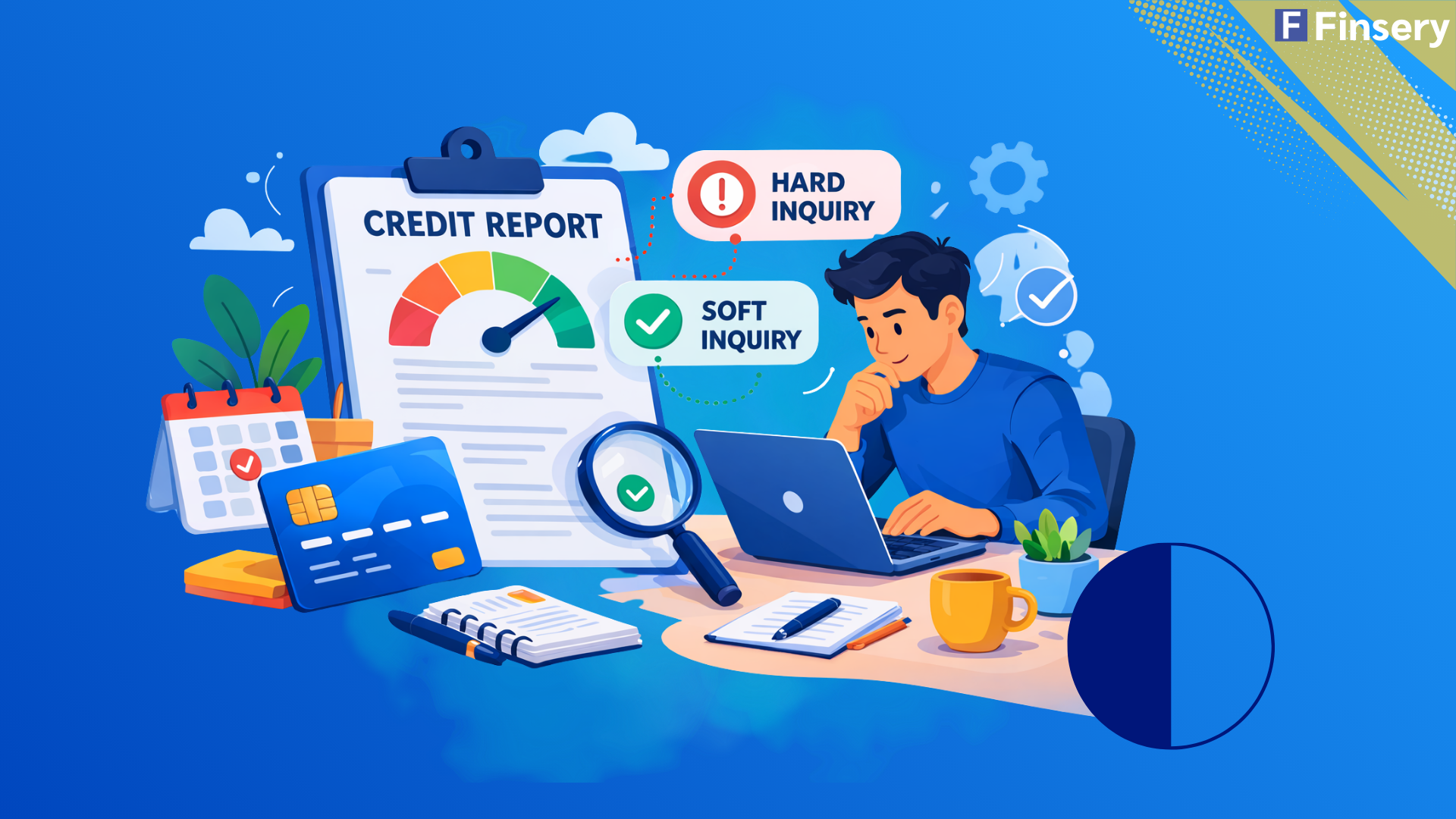
Comparing hard and soft credit inquiries can help you see how credit checks impact your credit score. A hard inquiry occurs when you apply for credit and may slightly lower your credit score. A soft inquiry does not affect your credit score at all. Knowing the difference can help you protect your credit and make smart financial choices when applying.
What is a Credit Inquiry?
A credit inquiry is when a lender reviews your credit report to assess your financial history and eligibility for products such as credit cards or loans. Scoring models such as FICO, VantageScore, and Equifax track these inquiries, and their impact depends on whether they are classified as hard or soft.
Types of Credit Inquiries
Credit inquiries are either hard or soft. A credit inquiry occurs when a lender reviews your credit report to assess your financial history. These checks help lenders evaluate your debt management before approving products like credit cards, loans, or mortgages.
Some inquiries have a minor or temporary impact on the credit score, while others have no effect. Knowing the difference between hard and soft inquiries is essential, as each type affects credit scores differently.
1. Hard Inquiries
A hard inquiry, also called a hard credit check or hard pull, occurs when a lender reviews your credit report after you apply for new credit. This can cause a small, temporary drop in your credit score. Hard inquiries are standard in lending and let lenders assess your credit history, borrowing habits, and repayment ability before approving a new account.
Lenders use hard inquiries to determine if you qualify for a loan or credit product and to set your interest rate or credit limit. While a single hard inquiry has minimal impact, multiple hard inquiries in a short period can signal higher risk to lenders, as they indicate frequent credit applications.
Hard inquiries typically occur when you apply for financial products such as:
Credit cards
Personal loans
Mortgages or home loans
Auto loans
Student loans
Certain rental agreements or utility services
In these cases, lenders conduct a hard credit check to review your payment history, existing debt, and credit utilization. This process helps determine your eligibility and the terms they can offer.
A hard inquiry occurs when a lender reviews an individual’s credit report as part of a new credit application. This type of inquiry can cause a small, temporary decrease in a credit score. According to FICO, hard inquiries may lower a credit score by about 5 to 10 points on average, although many consumers experience a smaller impact depending on their overall credit profile.
Factors such as the length of credit history, number of accounts, and recent credit activity can influence how much the score changes. Hard inquiries remain on credit reports for up to two years.
2. Soft Inquiries
A soft inquiry, also known as a soft credit check or soft pull, occurs when your credit report is reviewed without a formal credit application. These checks are for informational or background purposes and do not affect your credit score. Soft inquiries are common and typically visible only to you when you review your credit reports.
Soft inquiries commonly occur in situations such as:
Checking your own credit score or credit report
Receiving pre-approved credit card or loan offers
Employment background checks
Insurance companies are reviewing your credit profile.
Account reviews by lenders for existing customers
For example, checking your credit score through a financial app or credit monitoring service is recorded as a soft inquiry. Lenders may also use soft credit checks to see if you qualify for pre-approved offers before inviting you to apply.
Because soft inquiries do not represent a formal request for new credit, they do not lower your credit score and do not influence lending decisions. The Consumer Financial Protection Bureau explains that soft inquiries are typically visible only to the consumer and are not used in credit scoring models.
Soft inquiries do not affect your credit score. These inquiries do not indicate borrowing activity and are typically visible only to the individual when they review their credit report. Since soft inquiries do not affect your credit scores, individuals may review their credit reports and scores regularly without any concern about negative consequences.
Hard Inquiry vs Soft Inquiry
Understanding the difference between hard and soft inquiries is important for managing your credit score and planning credit applications. Both appear on your credit report when your history is checked, but they serve different purposes and affect your credit differently. The table below outlines their key differences, including their impact on your credit score and what lenders can view.
Feature
Hard Inquiry
Soft Inquiry
Purpose
Credit application review
Informational or background check
Credit score impact
May slightly lower your credit score
No impact on credit score
Visible to lenders
Yes, lenders can see hard inquiries
No, usually visible only to you
Report duration
Remains on credit report up to 2 years
May appear on report but not used in scoring
Indicates borrowing activity
Yes, suggests you are seeking new credit
No, does not indicate new credit activity
How Do Lenders View Credit Inquiries?
Lenders review credit inquiries on client reports to evaluate recent borrowing activity and overall financial behavior. Their primary concern is hard inquiries, which occur when someone applies for new credit. Multiple hard inquiries within a short period may indicate increased credit demand and signal potential financial distress or elevated risk. These patterns can influence lending decisions. In contrast, a single hard inquiry generally has minimal impact, especially for individuals with established credit histories and consistent payment records.
Credit scoring models such as FICO and VantageScore account for borrowers who compare loan offers before choosing a lender. This process, called rate shopping and common with mortgages and auto loans, is addressed by counting multiple credit checks for the same loan type within a short period as a single inquiry. As a result, consumers can compare rates and terms without significantly affecting their credit scores.
How Can You Manage Credit Inquiries Without Hurting Your Credit Score?
Managing credit inquiries carefully protects your credit score and improves your chances of approval. Occasional hard inquiries are expected when applying for credit, but frequent inquiries within a short period may raise concerns with lenders. Planning applications and monitoring your credit report helps minimize unnecessary hard inquiries and maintain a strong credit profile.
Apply for new credit only when necessary. Each application for a credit card, loan, or mortgage results in a hard credit check, which can slightly lower your credit score. Avoid multiple applications unless you have a clear need.
Submitting several credit applications in a short period can result in multiple hard inquiries, which may signal to lenders that you are seeking additional credit and increase your perceived risk. To maintain a stable credit profile, space out applications and apply only when you are confident about approval.
Many lenders offer pre-qualification or pre-approval tools that allow you to check eligibility before submitting a full application. These checks typically use a soft inquiry, which does not affect your credit score. Pre-qualification tools help you compare offers and assess your approval chances without triggering unnecessary hard inquiries.
Regularly reviewing your credit report helps you manage credit inquiries. Monitoring your report allows you to detect unauthorized inquiries, identify errors, and track your financial activity. If you find a hard inquiry you do not recognize, investigate promptly, as it may indicate an error or potential identity theft.
Checking your own credit report or score results in a soft inquiry, which does not affect your credit score. Regular credit monitoring keeps you informed and helps ensure your financial information is accurate.
Why Does Understanding Credit Inquiries Matter?
Understanding credit inquiries is essential for protecting your credit score and making informed borrowing decisions. Knowing the difference between hard and soft inquiries helps you identify which credit checks may affect your score. This awareness lets you plan credit applications strategically, reduce unnecessary hard inquiries, and improve your chances of approval when applying for credit cards or loans.
Credit inquiries make up only a small part of your overall credit score. Credit scoring models like FICO and VantageScore place greater weight on payment history, credit utilization, and length of credit history. Paying bills on time and keeping low credit card balances have a greater impact on building and maintaining strong credit health.
Final Thoughts
Knowing the difference between hard and soft inquiries helps you protect your credit score and make informed decisions. Hard inquiries may cause a small, temporary decrease, while soft inquiries do not affect your score. Apply for credit selectively and monitor your credit report regularly to maintain a strong credit profile.
Hard inquiries stay on your credit report for up to two years. Most credit scoring models, such as FICO, consider them only during the first 12 months, after which their impact lessens.
Yes, soft inquiries may appear on your credit report, but they are typically visible only to you. They result from actions like checking your own credit or receiving pre-approved offers and do not affect your credit score.
One or two hard inquiries are normal when applying for credit. However, multiple inquiries in a short period may indicate frequent applications and could reduce your chances of approval.
Authorized hard inquiries generally cannot be removed from your credit report. If you notice an unauthorized inquiry, you can dispute it with the credit bureau for investigation and possible removal.
Your financial journey starts here
Be the first to receive expert financial insights, guides, and product reviews when our newsletter launches.
Stay ahead with smarter money decisions.
By clicking "Subscribe," you agree to join our early access list and accept our
Privacy Policy
and
Terms of Use
. You may unsubscribe at any time.
The content on
Finsery
is created for informational and educational purposes only and should not be taken as financial advice.
While we do our best to ensure accuracy and relevance at the time of publication,
details may change over time or vary by individual circumstance.
Finsery
may earn a small commission when you click on certain links,
but our editorial opinions remain independent.
See our full disclaimer.
How to Choose the Best Credit Card for Your Spending and Goals in 2026
Updated:
2 min read
Finsery Editorial Team
Finsery Editorial Team
Finance Writers & Reviewers
Editorial Process
Written & Edited by Finsery Team
Reviewed for Accuracy
The Finsery Editorial Team ensures every article meets the highest standards of accuracy and transparency in financial reporting.
Editorial Note:
The information provided on
Finsery
is for general informational purposes only and is not intended as financial or professional advice.
Our team conducts independent research to share insights we believe are accurate and helpful at the time of publication.
Some of the products or services featured on this page are from our
advertising partners,
who may compensate us if you click through links on our site.
However, affiliate relationships do not influence our editorial opinions, our reviews and recommendations remain based on our own independent research and analysis.
Editorial Note:
Finsery provides general informational content only, not financial advice.
We may earn a commission from our advertising partners when you click links, but our editorial opinions remain independent.
Choosing the right credit card is exciting, but it’s important to look beyond just the flashy bonuses and perks. The real value lies in how well it fits your financial situation, spending habits and long-term costs. By considering these key factors, you can find a card that truly supports your spending. Let’s dive in and explore what makes a credit card the perfect match for you!
What Makes a Credit Card a Good Fit?
When choosing a credit card, prioritize your financial needs over trends or status. Assess how the card aligns with your spending habits before evaluating rewards and benefits.
Approval Odds the Starting Point
Before you can access rewards, lounge benefits, or welcome bonuses, you must first be approved. Understanding your risk profile is essential when applying for credit cards. Issuers evaluate factors such as credit history and income stability. Meeting these criteria can result in smoother approvals and more favorable terms. Each application results in a hard inquiry on your credit report, and submitting several applications in a short period can negatively impact your credit score. Target cards that align with your financial profile to improve your chances of approval and achieve better results.
Match the Card to Your Behavior
When choosing a credit card, consider your spending habits instead of focusing on promotions. While many intend to pay off their balance each month, unexpected expenses may occur. If you expect to carry a balance, prioritize cards with lower interest rates and fees. If you pay in full, look for cards that offer higher rewards points and flexible redemption options. Choose a card that aligns with your financial habits to achieve better long-term outcomes.
Total Costs Decide the Outcome
Perks are easy to notice, while costs are often overlooked. A card that seems generous may become expensive once you review its pricing structure. Carefully review membership fees, annual percentage rates after promotional periods, balance transfer fees, foreign transaction fees, and penalties. These factors determine your actual expenses, not the marketing slogans.
The same credit card may benefit frequent travelers who maximize rewards and pay their balance in full, but it may offer less value to those who spend less or carry a balance. Financial outcomes differ by individual, so careful evaluation is recommended.
Rewards Come With a Cost
Credit cards with higher rewards typically have higher interest rates, while those with lower rates usually offer fewer benefits. The best option depends on how you manage your balance. If you pay in full each month, you can earn higher rewards. If you carry a balance, interest charges may quickly exceed any rewards earned. Consider this trade-off carefully, as higher rewards can come with significantly higher costs.
Your Credit Card Today, Your Option Tomorrow
Most credit card activity is reported to major credit bureaus, so your payment history and credit utilization directly influence how lenders assess your financial health. Paying on time and maintaining a low balance can strengthen your credit profile and improve your eligibility for better offers. Conversely, missed payments or high balances may result in higher borrowing costs. Selecting a credit card that fits your needs and using it responsibly can support your long-term financial growth.
Steps to Choose the Right Credit Card
Choosing the right credit card can be an exciting journey when you take a structured plan. This plan explains how lenders assess applicants, how your finances impact eligibility, and highlights potential hidden costs. Following these steps will help you choose a card that fits your financial needs.
Before moving forward with anything else, understand where your profile sits, whether in the fair, good or excellent range. Applying without credit awareness can lead to unnecessary denials and additional inquiries that may temporarily reduce your credit score.
Issuers consider both affordability and credit history. Your income after rent, loan payments, and other obligations affects your approval odds and credit limit. Accurately assessing your monthly budget helps you choose credit cards that align with your finances.
Some consumers always pay in full, while others carry balances, plan large purchases, or prioritize earning rewards from daily spending. Card features should align with these habits to deliver real value.
If you have limited or recovering credit history, consider student or secured credit cards as a starting point. Choosing the right card can improve your chances of approval and lead to better options over time.
Promotional offers can be appealing, but long-term value depends on the actual costs. Review how interest rates change after introductory periods, whether annual fees are reasonable, the true cost of balance transfers, and potential penalties. This comprehensive approach helps determine if the offer provides lasting value or is only beneficial for one-time use.
Types of Credit Cards Match Your Goals
Credit Building Credit Cards
Borrowers with limited credit history or past setbacks may have restricted access to mainstream products. Credit-building cards help establish a record of responsible use for future lenders to assess. Their primary benefit is the opportunity to demonstrate reliability, not luxury perks. Consistent payments and controlled balances over time can improve approval odds for lower-rate or higher-reward products. These cards are well-suited for those aiming to repair or build credit rather than seeking immediate rewards.
Rewards Credit Cards
Rewards cards are most beneficial for consumers who pay their credit card bills in full each month. In these situations, cash back, points, or miles act as rebates on regular spending. These cards are especially attractive to households with consistent expenses such as groceries, fuel, travel, or dining. However, it is a common mistake to assume rewards always provide value. Carrying a balance, even occasionally, can result in interest charges that offset much of the earned reward. Reward credit cards are most effective when used responsibly.
0% Intro APR Credit Cards
These products are often selected for large purchases that require repayment over several months. Paying the balance in full before the promotional period ends can significantly lower borrowing costs compared to standard rates. Careful planning is essential, as any remaining balance after the introductory period may accrue interest at a much higher rate. When managed with a clear timeline, these products are efficient. Without proper planning, they may result in unexpected costs.
Student Credit Cards
These cards are designed for individuals early in their financial journey, typically with limited income and short credit histories. They often feature easier approval, lower credit limits, and built-in budgeting or monitoring tools. As a practical first step, these cards help young borrowers build credit and understand credit management without complex terms or high fees.
Balance Transfer Credit Cards
Consumers with high-interest debt may use these cards to reduce financial pressure. Transferring a balance to a lower or zero introductory rate allows more of each payment to go toward the principal. However, transfer fees and post-promotion rates will determine if actual savings are achieved. It is important to review the numbers before proceeding.
How to Decide if a Credit Card is Worth Applying?
A credit card’s true value depends on its long-term cost structure rather than marketing claims. Consider these six factors to assess how a card may impact your financial position.
Annual Fee
An annual charge is acceptable if justified by consistent benefits. Consider whether rewards, credits, protections, or convenience regularly outweigh the cost of keeping the account open. If benefits require atypical spending or complex redemption, the actual value may be less than anticipated.
Purchase APR
If you carry a balance, even occasionally, the ongoing interest rate is a key consideration. Finance charges can exceed earned rewards, making an appealing offer costly. Lower rates often offer better protection than premium perks.
Introductory Rates
Promotional pricing is useful when you have a clear plan to reduce or eliminate your balance. However, the most important factor is the rate that applies after the promotional period. Reviewing the long-term terms helps avoid unexpected costs when standard rates resume.
Balance Transfer Fees
Moving debt to a lower interest rate can reduce costs but often involves a percentage-based fee. Be sure to factor this expense into your calculations, as zero-interest offers are not always free.
Penalty Pricing
Late payments or other violations may result in higher rates or additional charges. These penalties can last for extended periods, raising your total borrowing costs. Understanding these penalties helps you assess the risks associated with the account.
Rewards Structure
Rewards should be measured against how you already spend, not how you hope to spend. Higher earning rates in categories you rarely use may look attractive but produce little real return. The simplest way to judge value is to estimate what you would earn in a typical year based on your normal expenses, then compare that with any fees or effort required to redeem.
What Beginners Should Look For in a Credit Card
New cardholders usually benefit most from products that emphasize simplicity, predictability, and strong credit-building fundamentals.
No annual fee. This reduces financial pressure as you determine how the account fits into your budget and spending habits.
Simple rewards structure. Straightforward earning makes benefits easier to access and reduces the risk of missed value or confusion.
Free credit score access or monitoring. This helps you understand how payments, balances, and utilization affect future approvals and borrowing terms.
Fraud protection features. These limit disruption and help protect the positive credit history you are building.
Reporting to major credit bureaus. On-time payments strengthen your credit profile only if lenders can verify them.
While premium travel benefits and complex redemption systems may appear attractive, they do not make up for weak fundamentals. Establishing consistent habits provides a stronger foundation for qualifying for advanced products.
Your financial journey starts here
Be the first to receive expert financial insights, guides, and product reviews when our newsletter launches.
Stay ahead with smarter money decisions.
By clicking "Subscribe," you agree to join our early access list and accept our
Privacy Policy
and
Terms of Use
. You may unsubscribe at any time.
The content on
Finsery
is created for informational and educational purposes only and should not be taken as financial advice.
While we do our best to ensure accuracy and relevance at the time of publication,
details may change over time or vary by individual circumstance.
Finsery
may earn a small commission when you click on certain links,
but our editorial opinions remain independent.
See our full disclaimer.
What is a Credit Card Interest and How Does It Work? A Simple Guide
Updated:
6 min read
Finsery Editorial Team
Finsery Editorial Team
Finance Writers & Reviewers
Editorial Process
Written & Edited by Finsery Team
Reviewed for Accuracy
The Finsery Editorial Team ensures every article meets the highest standards of accuracy and transparency in financial reporting.
Editorial Note:
The information provided on
Finsery
is for general informational purposes only and is not intended as financial or professional advice.
Our team conducts independent research to share insights we believe are accurate and helpful at the time of publication.
Some of the products or services featured on this page are from our
advertising partners,
who may compensate us if you click through links on our site.
However, affiliate relationships do not influence our editorial opinions, our reviews and recommendations remain based on our own independent research and analysis.
Editorial Note:
Finsery provides general informational content only, not financial advice.
We may earn a commission from our advertising partners when you click links, but our editorial opinions remain independent.
Credit card interest is the cost of borrowing when you do not pay your full statement balance by the due date. It is calculated based on your card’s Annual Percentage Rate (APR) and outstanding balance, rather than as a flat fee. Understanding how interest charges, APR, billing cycles, and minimum payments work can help you avoid extra fees and reduce your overall credit card costs.
How Does Credit Card Interest Work?
Most US credit cards use the Average Daily Balance (ADB) method to calculate interest. Each day, your issuer records the amount you owe. At the end of the billing cycle, all daily balances are summed and averaged. The issuer then applies your daily APR to that average balance to determine how much interest you owe. Unlike installment loans with fixed monthly charges, credit cards use a revolving balance system, so you are charged only if you do not pay your full statement balance by the due date. The process works as follows:
The Annual Percentage Rate (APR) reflects your yearly borrowing cost, but credit card interest accrues daily. Issuers divide the APR by 365 to determine the daily periodic rate, which sets the daily charges on your balance.
Example: A 24% APR ÷ 365 = 0.065% per day. While that number seems small, daily charges accumulate quickly over a full billing cycle.
Card issuers track your balance each day, not just at the end of the month, and every transaction, including purchases, payments, refunds, and fees, affects it. Making a large purchase early in the billing cycle results in a higher balance for a longer period, which may increase borrowing cost charges if you fail to pay the balance by the due date.
The daily periodic rate is multiplied by your average daily balance to calculate interest charges. Unpaid interest is added to your balance, and future borrowing cost is calculated on this higher amount. This process, known as compounding, can significantly increase the total amount you owe over time.
Most purchase interest charges can be avoided by paying your full statement balance by the due date. This maintains your grace period and typically prevents APR cost on new purchases.
What is APR on a Credit Card?
Annual Percentage Rate is the yearly cost of borrowing money on your credit card. Even though it’s shown as an annual rate, the charges are actually calculated daily. Your credit card’s APR affects how much it costs to carry a balance.
In the U.S., credit card APRs are generally higher than those of other loan types. As a result, credit cards are better suited to short-term expenses than to long-term borrowing. Most credit cards have more than one APR, and each one applies to different actions you take with your card.
Types of Credit Card Interest in the U.S.
Transaction type
Category of use
APR range
Cash Advance
ATM withdrawals
25%–35%
Penalty
Late payments
>29%
Balance Transfer
After promos end
15%–29%
Purchase
Regular spending
15%–29%
Intro
Promotional period
0%
Disclaimer Note:
This information is provided for general educational purposes and reflects common credit card practices at the time of writing. Rates, fees, and promotional terms may vary by issuer and can change over time. While we aim to keep the details accurate and up to date, we cannot guarantee completeness. Please review your card’s official terms or contact the issuer directly.
Credit cards usually have multiple APRs, each linked to a specific transaction type. Knowing these rates can help you avoid surprise credit card charges and manage your account more effectively.
Cash Advance
The cash advance APR applies when you withdraw cash from an ATM or make a similar transaction with your credit card. This rate is typically the highest, often between 25% and 35%. Charges apply immediately, with no grace period, making cash advances one of the most expensive credit card transactions.
Penalty
A penalty APR may apply if you miss or make late payments. This rate can exceed 29% and may remain in effect for several months or longer, depending on the issuer’s terms. It significantly increases borrowing costs and makes it more difficult to pay down your balance.
Balance Transfer
The balance transfer APR applies after any promotional period ends. Many cards offer an introductory 0% APR on transferred balances for a limited time, but the standard rate usually ranges from 15% to 29%. If you do not pay off the balance during the promotional period, interest charges will accrue at the higher rate.
Purchase
The purchase APR applies to everyday credit card spending, such as shopping, dining, and paying bills. This rate typically ranges from 15% to 29%. Paying your full statement balance by the due date usually allows you to avoid interest charges due to the grace period.
Introductory
A temporary promotional rate, often 0%, is offered for a set period on purchases, balance transfers, or both. After the promotional period, the APR increases to the standard rate. Knowing the length of the introductory period helps you avoid unexpected interest charges.
Why is Credit Card Interest So Expensive?
Credit card interest rates are among the highest in consumer lending because these products are intended for short-term convenience rather than long-term borrowing. Carrying a balance from month to month can quickly become costly because of how credit cards are structured and priced.
Credit Cards Are Unsecured Loans: Unlike mortgages or auto loans, credit cards do not require collateral. Lenders charge higher Annual Percentage Rates (APRs) to compensate for the increased risk of missed or defaulted payments.
Convenience and Built-In Benefits Raise Costs: Credit cards offer instant access to funds, flexible repayment options, fraud protection, and rewards programs. While these features benefit cardholders, they also raise issuer costs, which are reflected in higher interest rates.
Pricing Encourages Short-Term Use: Credit card pricing discourages carrying a balance. Paying your statement balance in full each month avoids credit card charges, while carrying a balance results in daily interest compounding. Late or missed payments may also trigger higher penalty APRs, making long-term borrowing particularly costly.
Finsery pro tip
In 2024, Average Americans were charged roughly $160 billion in credit card interest — according to the CardRates— highlighting how costly carrying a balance can be and why paying in full each month can save money.
Best Practical Ways to Avoid Credit Card Interest Charges
Avoiding credit card interest is a simple way to save money. Since interest accrues daily and APRs are high, even small balances can increase rapidly. Here are a few best practical ways:
1. Be Cautious with No-Cost EMI Offers
No-cost EMIs may involve hidden charges, such as processing fees or increased product prices. Even if credit card charges are not initially disclosed, you could end up paying more overall. Review the total payment amount before choosing an EMI.
2. Avoid Credit Card Cash Advances
When you take a cash advance, interest starts accruing right away, and there is no grace period. Cash advances also tend to have higher APRs than regular purchases and additional fees. These extra costs make cash advances one of the most expensive ways to use your credit card.
3. Track Statement and Due Dates
The closing date on your statement is just as important as the payment due date when managing credit card charges. Purchases made right after your statement closes will be reflected in the next billing cycle, giving you extra time before payment is due. This timing can help you maximize your interest-free grace period, which is particularly beneficial for larger purchases.
4. Set Up Auto-Pay for the Full Statement Balance
Setting up auto-pay for your full statement balance helps you avoid missed payments and late fees. Your credit card bill will be paid on time every month, even if you forget the due date. Make sure to select the full balance option instead of just the minimum payment so you won’t incur extra charges.
5. Pay Your Full Statement Balance Every Month
If you pay your full statement balance by the due date, you keep your grace period and avoid interest charges. Even with a high APR, paying in full means you won’t owe any interest. This way, your credit card stays a convenient way to pay rather than an expensive way to borrow.
Yes, Paying only the minimum due keeps your account in good standing and helps you avoid late fees, but it does not stop interest from being charged. Any unpaid portion of your statement balance continues to accrue, often on a daily basis. In many cases, you may also lose your grace period.
No, credit cards don’t always charge interest every month. You only pay the charges if you carry a balance after the grace period. If you pay your full statement balance by the due date, you won’t get charged any interest.
Carrying a balance does not help your credit score and will only lead to interest charges. In some cases, your credit score might even go down. It is better to pay your balance in full.
Yes, balance transfers can have interest; it depends on the offer. Many credit cards provide a 0% introductory APR on balance transfers for a limited promotional period. During that time, you won’t pay interest on the transferred amount. However, Some balance transfer offers may also include a transfer fee, typically a percentage of the amount moved, which adds to the overall cost.
Usually, credit card interest cannot be taken off. Some companies might give a one-time waiver if you have a good payment record or if there was a mistake, but this does not happen often. The best way to avoid interest is to pay your full balance on time.
Your financial journey starts here
Be the first to receive expert financial insights, guides, and product reviews when our newsletter launches.
Stay ahead with smarter money decisions.
By clicking "Subscribe," you agree to join our early access list and accept our
Privacy Policy
and
Terms of Use
. You may unsubscribe at any time.
The content on
Finsery
is created for informational and educational purposes only and should not be taken as financial advice.
While we do our best to ensure accuracy and relevance at the time of publication,
details may change over time or vary by individual circumstance.
Finsery
may earn a small commission when you click on certain links,
but our editorial opinions remain independent.
See our full disclaimer.
What is a Grace Period on a Credit Card and How Does It Help You Save Money?
Updated:
6 min read
Finsery Editorial Team
Finsery Editorial Team
Finance Writers & Reviewers
Editorial Process
Written & Edited by Finsery Team
Reviewed for Accuracy
The Finsery Editorial Team ensures every article meets the highest standards of accuracy and transparency in financial reporting.
Editorial Note:
The information provided on
Finsery
is for general informational purposes only and is not intended as financial or professional advice.
Our team conducts independent research to share insights we believe are accurate and helpful at the time of publication.
Some of the products or services featured on this page are from our
advertising partners,
who may compensate us if you click through links on our site.
However, affiliate relationships do not influence our editorial opinions, our reviews and recommendations remain based on our own independent research and analysis.
Editorial Note:
Finsery provides general informational content only, not financial advice.
We may earn a commission from our advertising partners when you click links, but our editorial opinions remain independent.
Jason paid on time, yet he was still charged interest.
25 sec
25 sec
Jason believed he was managing his credit card responsibly by paying on time and never missing a due date, assuming this would prevent interest charges. However, he was surprised to find an interest charge on his statement. After contacting his bank, he learned he had lost his grace period, which allowed interest to accrue on his purchases despite timely payments. This misunderstanding ultimately cost him hundreds of dollars.
Many credit card users make the same mistake, unaware that the key to saving money is understanding the credit card grace period. This brief window determines whether purchases remain interest-free or begin to accrue additional costs.
Jason’s experience highlights the importance of timing in avoiding late fees and maintaining a budget. The period between a statement and its due date, known as the grace period, is key to managing credit cards effectively. Understanding how this payment window works can help you avoid interest charges.
What is a Grace Period on a Credit Card?
The grace period is the time between your statement date and your payment due date during which no interest accrues. You can pay your statement balance during this period without incurring interest. This feature offers valuable flexibility for repaying your balance.
In the U.S., grace periods typically range from 21 to 25 days. These periods apply only to standard purchases, not to cash advances, balance transfers, or any transaction where interest accrues immediately.
How the Grace Period Works in a Billing Cycle
Your credit card is billed monthly, not only on the payment due date. Each billing cycle includes an interest-free window that determines whether your purchases remain interest-free or begin accruing interest. Understanding the relationship between these dates is crucial for avoiding unnecessary interest charges
On the purchase date, you can use your credit card. Each purchase counts towards your current billing cycle. Purchases made early in the cycle receive more interest-free days than those made closer to the end.
The statement closing date is a significant milestone for your account. On this date, your card issuer finalizes the billing cycle and aggregates all transactions. This total becomes your statement balance, and the grace period subsequently commences.
This starts immediately after the statement closes. This interest-free window lasts from your statement date to your due date. Paying the full statement balance during this time avoids interest charges on purchases.
On the payment due date, you use your credit card. Each purchase enters your current billing cycle. This is the final day to pay your statement balance to keep purchases interest-free. Paying only the minimum or paying late may result in losing your grace period, which affects how interest is applied in the future
If the statement balance is not paid in full by the due date:
Interest adds up every day.
It is calculated using your credit card’s APR and average daily balance.
New purchases may no longer get a interest-free window.
Many users are unaware that losing the grace period can cause interest to add up from the purchase date, not just after the due date.
Understanding the credit card billing cycle helps you avoid interest, plan purchases, and use your credit card as a short-term, interest-free payment tool rather than accumulating revolving debt.
When the Grace Period Does Not Apply
The credit card grace period allows you to avoid interest on eligible purchases; however, not all transactions qualify. Most cards apply the grace period only to standard purchases, while other transactions may accrue interest immediately.
Transaction Type
Grace Period
Interest Behavior
Purchases
Yes
Interest avoided
Cash Advances
No
Interest starts immediately
Balance Transfers
Usually no
Depends on promo terms
Some Promotions
Not true grace
Interest may be deferred
Understanding these exceptions is crucial to avoiding credit card interest charges.
Purchases: Foreign transactions are treated as standard purchases and may qualify for the credit card’s interest-free benefit if you pay the full statement balance on time. Foreign transaction fees and currency conversion charges may still apply and are separate from interest charges. If you have lost your grace period by carrying a balance, interest on these transactions will accrue immediately.
Cash Advances: Withdrawing cash from your credit card at an ATM, at a bank, or by using convenience checks is considered a cash advance. These transactions do not have a grace period, and interest begins accruing immediately, making them more expensive than regular purchases.
Balance Transfers: Moving debt from one credit card to another is a balance transfer. Unless a 0% promotional offer applies, interest typically starts accruing immediately. Even with a promotion, transferred balances follow different interest rules and do not receive a standard grace period.
Some Promotional Offers: Certain “no interest” financing offers do not provide a regular grace period. Instead, interest is deferred until a set deadline. If the balance is not paid in full by that date, all accumulated interest may be charged at once, making these offers riskier than standard interest-free periods.
Grace Period vs Due Date: Understanding the Key Difference
The grace period and the payment due date are often mistaken for the same; however, they serve distinct functions within the credit card billing cycle. This misunderstanding may lead to unexpected interest charges, even when payments are made on time. Clarifying the distinction between the grace period and the due date can help cardholders avoid unnecessary interest fees and late charges.
The grace period relates to interest, while the due date is when your payment is due. They are linked, but not the same thing.
Feature
Grace Period
Due Date
Main Purpose
Interest-free window on purchases
Final day to make at least the minimum payment
What It Protects You From
Credit card interest charges
Late fees and penalty APRs
When It Starts
Right after the statement closing date
Set calendar date each billing cycle
When It Ends
On the payment due date
Same date each month
What Happens If Missed
Interest begins accruing on purchases
Late fee charged and possible credit score impact
Eligibility
Only if previous balance was paid in full
Applies to all cardholders every month
What Happens if You Miss the Grace Period
It’s important to be mindful of your credit card’s grace period! If missed, you could see interest accrue more quickly than expected. By not paying the full statement balance by the due date, you forfeit the interest-free advantage, turning your card from a short-term, cost-free option into revolving debt. Staying on top of your payments can really help you manage your finances positively!.
The following outlines the subsequent steps in the credit card interest timeline:
Daily Interest Begins: Interest is calculated daily based on your average daily balance. Each day you carry a balance, additional interest accrues.
Your APR Is Applied: Your card’s Annual Percentage Rate (APR) is converted to a daily rate and applied to your balance. Since many credit cards have APRs above 20%, even small balances can increase rapidly.
Your Statement Balance Grows: As interest accrues on your existing balance, the total amount owed increases. If you continue to carry a balance, future interest is calculated on this higher amount.
The Debt Snowball Effect: At this stage, compounding works against you. Interest accrues on prior interest, making it more difficult to pay off your balance over time. A manageable amount can become long-term debt if not addressed promptly.
If you miss the grace period, your account enters an interest-accruing cycle. Paying the full statement balance on time is essential to avoid ongoing credit card interest.
Practical Tips to Maximize Your Credit Card Grace Period
Understanding a credit card’s grace period is just the first step. Using it effectively can help you avoid interest charges. Experienced cardholders view the grace period as a timing tool, not just a window for making payments. Here are some strategies to maximize its benefits.
1. Plan Large Purchases at the Start of Your Billing Cycle
The timing of your purchase significantly influences your interest-free period. When you make a purchase just after your statement closing date, you can take advantage of nearly a full billing cycle plus the grace period, potentially extending your interest-free period to almost 50 days before interest begins to accrue.
This strategy not only maximizes your interest-free period but also provides ample time to pay without incurring additional costs. It’s a powerful approach to enhancing your cash flow and effectively avoiding interest charges.
2. Automate Full Statement Balance Payments
Setting up automatic payments for your full statement balance, rather than just the minimum due, helps you maintain your interest-free period each month. Paying in full by the due date prevents new purchases from accruing interest, while missing a full payment can result in immediate interest charges. Automation also reduces the risk of late fees, preserves your eligibility for interest-free purchases, and encourages responsible credit use. In summary, automating payments makes interest avoidance a reliable process instead of a monthly task to remember.
3. Avoid Cash Advances Whenever Possible
Cash advances do not qualify for a grace period, so interest accrues immediately upon withdrawal, often at a higher Annual Percentage Rate (APR) than for regular purchases.
Using a credit card for cash can rapidly eliminate the benefits of your grace period. If you need funds, explore better options, such as debit withdrawals or more cost-effective borrowing alternatives.
No. If you carry a balance from the previous billing cycle, most card issuers remove the grace period on new purchases, and interest may start accruing immediately.
Even if you paid by the due date, interest may still be charged if you did not pay the full statement balance or if you lost your grace period in a previous cycle. This can happen even when there is no late fee.
No. Purchases made earlier in the billing cycle get more interest-free days than those made right before the statement closes.
Most cards provide at least 21 days between the statement date and the due date, though the total interest-free time can be longer depending on when a purchase is made.
No. Paying only the minimum keeps the account from being late but usually causes you to lose your interest-free grace period.
They may start accruing interest immediately until you fully pay off the balance and restore your grace period.
Your financial journey starts here
Be the first to receive expert financial insights, guides, and product reviews when our newsletter launches.
Stay ahead with smarter money decisions.
By clicking "Subscribe," you agree to join our early access list and accept our
Privacy Policy
and
Terms of Use
. You may unsubscribe at any time.
The content on
Finsery
is created for informational and educational purposes only and should not be taken as financial advice.
While we do our best to ensure accuracy and relevance at the time of publication,
details may change over time or vary by individual circumstance.
Finsery
may earn a small commission when you click on certain links,
but our editorial opinions remain independent.
See our full disclaimer.
Why the Average American Overpays Hundreds in Credit Card Interest Every Year
Published:
6 min read
Finsery Editorial Team
Finsery Editorial Team
Finance Writers & Reviewers
Editorial Process
Written & Edited by Finsery Team
Reviewed for Accuracy
The Finsery Editorial Team ensures every article meets the highest standards of accuracy and transparency in financial reporting.
Editorial Note:
The information provided on
Finsery
is for general informational purposes only and is not intended as financial or professional advice.
Our team conducts independent research to share insights we believe are accurate and helpful at the time of publication.
Some of the products or services featured on this page are from our
advertising partners,
who may compensate us if you click through links on our site.
However, affiliate relationships do not influence our editorial opinions, our reviews and recommendations remain based on our own independent research and analysis.
Editorial Note:
Finsery provides general informational content only, not financial advice.
We may earn a commission from our advertising partners when you click links, but our editorial opinions remain independent.
Key Takeaways
Credit card interest quietly costs Americans billions. Data linked to the Federal Reserve and Federal Financial Institutions Examination Council (FFIEC) shows consumers pay massive amounts in interest and fees each year, often without realizing how balances snowball.
High APRs make even small balances expensive. With average rates above 22%, carrying just $1,000 can mean over $200 in annual interest.
The real trap is compounding, not just spending. Daily interest calculations and revolving balances cause debt to shrink slowly while charges keep building.
Minimum payments keep you in debt longer. They mainly cover interest, doing little to reduce principal, which extends repayment timelines.
Simple habits can stop most interest charges. Paying the full statement balance, limiting new purchases during payoff, and tracking statement dates can keep your balance from generating interest at all.
Each year, millions of Americans pay hundreds or even thousands of dollars in credit card interest. The real problem is not spending too much, but how credit card interest piles up, how balances grow, and how Americans misunderstand the hidden mechanics of the revolving debt trap. This money could cover essential expenses or contribute to savings, yet many do not notice the costs until after the payment.
Understanding why this occurs and how to avoid it can help cardholders save their money. Finsery helps you identify potential pitfalls and manage your credit card debt effectively.
Credit Card Interest Rates: Where Borrowers Feel the Most Financial Pain
Credit card debt remains a significant issue in the United States. Total revolving balances have reached about $1.23 trillion, based on data from the Federal Reserve Bank of New York. While the New York Fed does not report average individual balances, credit reporting agencies estimate that the average American has around $6,000 in credit card debt. This shows how common and expensive revolving debt has become.
At the same time, the average credit card interest rate on balances that incur interest remains above 22%, far higher than most other consumer loans. That means every $1,000 carried could cost more than $220 in interest per year if not paid down. For many households, especially those relying on credit cards for daily expenses or emergencies, this results in hundreds of dollars in annual interest. Since nearly half of Americans carry a balance month to month, these costs impact millions nationwide.
In short, credit card interest rates often cause the most financial strain due to high APRs, daily compounding, and revolving balances. Understanding these costs is essential for reducing debt and minimizing interest payments.
Why Does Credit Card Interest Accumulate Faster than Expected
Many Americans are unaware of how quickly credit card interest charges accumulate. This growth results not only from the annual percentage rate but also from the methods banks use to calculate interest, the structure of billing cycles, and how balances are carried over from month to month.
Credit card APR sounds like an annual cost, but interest is calculated daily. Banks divide your APR by 365 to determine the daily rate, which is applied to your balance each day.
Many people misunderstand how the credit card grace period works. Most cards provide a grace period of 21 to 25 days, allowing you to avoid interest on new purchases if you pay your statement balance in full.
If you carry any balance from the previous billing cycle, you lose your grace period. Interest will then accumulate immediately on both existing and new purchases. Paying on time does not prevent interest charges unless you pay the full statement balance.
Making only the minimum payment keeps your account current but does little to reduce your debt. Most of the payment covers interest, with only a small portion applied to the principal.
Trailing interest is another factor in credit card interest costs. Even after paying your balance, you may see an interest charge on your next statement because interest accrues between the statement date and the payment processing date.
Many cardholders are unaware that this is part of how banks calculate credit card interest, which can lead to unexpected charges. Although these amounts are often small, they increase the total cost of debt and can be frustrating for those aiming to pay off balances in full.
Revolving Credit Trap that Keeps Americans Paying Interest Forever
Credit cards operate on a revolving credit system, allowing balances to carry over from month to month instead of requiring fixed repayments. Although this offers flexibility, it can also lead to forever debt and accumulating interest.
A revolving credit trap arises when the full statement balance is not paid. Interest compounds daily, and payments are applied to interest before the principal. Paying only the minimum and continuing to make purchases slows debt repayment and can lead to substantial interest costs over time.
This cycle results primarily from the design of the credit system rather than from individual financial habits, as balances decrease slightly while available credit increases, which can encourage additional spending even as debt continues to grow. Even when paying only the minimum, restricting new charges, and prioritizing repayment of statement balances, many individuals still incur interest charges every month.
How to Break the Revolving Credit Trap
Escaping the revolving credit trap does not require drastic changes; it requires the right strategy. Making minor, consistent adjustments in how you pay and use your card can significantly reduce interest over time. The goal is to move from just keeping up with payments to actively lowering your balance and preventing new interest charges. The following steps can help you take control:
Whenever possible, pay the full statement balance to eliminate new interest charges and maintain your grace period.
If paying in full is not feasible, make payments at least exceeding the minimum amount. Additional payments can accelerate the reduction of the balance and decrease the total interest paid.
Avoid new credit card purchases while repaying existing debt to prevent further increases in your outstanding balance.
Set up automatic payments to avoid late fees and potential increases in your annual percentage rate (APR) due to missed payments.
Monitor your statement closing date to understand when interest charges may be assessed.
Consider a 0% APRbalancetransfer to pause interest charges while you repay debt, as long as you have a clear payoff plan.
Use debit cards or cash for routine expenses until the credit card balance is under control.
Best Smart Credit Card Habits to Stay Interest Free
Avoiding credit card interest requires consistent financial habits. Cardholders who use structured credit practices are less likely to fall into debt cycles or incur recurring interest charges. These five smart credit card habits can help you stay interest-free and maintain control over your finances.
1. Use Your Credit Card Like a Debit Card
Spend only what you can pay in full when your billing statement arrives. This approach keeps your balance manageable and prevents purchases from turning into long-term debt. Relying on available cash instead of future income lowers the risk of carrying a balance and incurring interest. This habit is one of the most effective ways to avoid credit card debt and maintain zero borrowing costs.
2. Track Your Statement Closing Date
Many people focus only on the payment due date, but the statement closing date is equally important. It determines your reported balance, impacts your credit utilization, and affects your grace period. Paying down your balance before the statement closes can reduce your reported debt and help you avoid unexpected interest charges.
3. Keep Credit Utilization Below 30%
Credit utilization, which is the percentage of your credit limit you use, directly affects your credit score and financial risk. Keeping utilization below 30% makes balances easier to pay off and reduces dependence on revolving debt. Lower balances also result in less money accruing daily interest if a balance remains.
4. Review Your Statement Every Month
Reviewing your statement each month helps you quickly identify interest charges, billing errors, duplicate transactions, or fraud. This habit also keeps you aware of balance changes and prevents minor issues from becoming costly problems.
5. Aim to Pay the Statement Balance in Full
Paying the full statement balance, rather than just the minimum, keeps your grace period active and prevents interest from accruing on new purchases. This is the most effective way to keep interest at zero. If you cannot pay the whole amount in one month, prioritize returning to full payments as soon as possible.
Final thought from Finsery
Credit card interest can feel overwhelming, but you can manage it. When you know how your balance grows and where extra charges come from, you gain more control over your money. Making small, steady changes in how you pay, spend, and track your statements can make a big difference.
At Finsery, we want to help you avoid fees and feel more confident about your finances. If you stay informed, pay with purpose, and build good habits, your credit card can become a useful tool.
Your financial journey starts here
Be the first to receive expert financial insights, guides, and product reviews when our newsletter launches.
Stay ahead with smarter money decisions.
By clicking "Subscribe," you agree to join our early access list and accept our
Privacy Policy
and
Terms of Use
. You may unsubscribe at any time.
The content on
Finsery
is created for informational and educational purposes only and should not be taken as financial advice.
While we do our best to ensure accuracy and relevance at the time of publication,
details may change over time or vary by individual circumstance.
Finsery
may earn a small commission when you click on certain links,
but our editorial opinions remain independent.
See our full disclaimer.